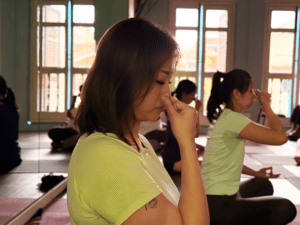


Perimenopause is one of those life phases that arrives differently for almost every woman – and often without adequate warning about how disruptive it can be. Hormone fluctuations in the years before menopause affect sleep, mood, body temperature regulation, cognitive function, and energy in ways that don’t fit neatly into the “just hot flushes” description most women receive. Yoga for female hormone balance is increasingly part of how women navigate this transition, and the evidence for it is more specific than most people realise.
What Is Perimenopause and Why Does It Cause So Many Symptoms?
Perimenopause is the hormonal transition phase leading up to menopause, typically beginning in the mid-40s and lasting anywhere from 2 to 10 years. During this period, estrogen and progesterone levels fluctuate unpredictably rather than declining in a straight line, which is why the symptom experience is so inconsistent from month to month.
Unpredictability is the key thing. It’s not just that estrogen drops – it’s that it swings. High one cycle, low the next. These swings affect the hypothalamus, which controls body temperature regulation, sleep cycles, and mood. Hot flushes are essentially hypothalamic misfires triggered by estrogen fluctuation. The same mechanism that produces hot flushes also disrupts sleep architecture, which then compounds fatigue, cognitive fog, and emotional reactivity. This cognitive fog is closely tied to what’s covered in yoga and cognitive function, since the same hormonal disruption behind hot flushes also affects mental clarity and focus.
Cortisol dysregulation worsens the picture. Perimenopausal women show altered HPA axis function, meaning stress responses are both more intense and slower to resolve. This is why many women report that perimenopause doesn’t just feel like a hormonal change – it feels like a global increase in how hard everything is. The pattern here overlaps considerably with gender differences in stress and burnout, where the same HPA axis sensitivity shows up outside the perimenopausal window too.
How Does Hatha Yoga Help with Perimenopause Symptoms?
Hatha yoga reduces perimenopausal symptoms primarily by stabilising the stress response system, improving sleep quality, and moderating the hypothalamic dysregulation that drives hot flushes and mood disturbance. A 2024 study in the International Journal of Nursing Studies found that mind-body exercise, including yoga, produced significant improvements in vasomotor symptoms, sleep quality, and psychological wellbeing in perimenopausal women.
The research from the Menopause journal on mind-body exercise and perimenopausal symptoms found consistent reductions in hot flush frequency and severity, with improvements in sleep and mood that persisted beyond the active intervention period. The most effective interventions shared Hatha yoga’s defining features: slow movement, breath emphasis, and a non-competitive environment. The broader mechanisms connecting yoga to hormonal regulation are explored further in the role of yoga in women’s hormonal health, which covers the same HPA-axis pathway outside the specific context of perimenopause.
The mechanism involves the autonomic nervous system more than most people expect. Hot flushes are triggered partly by sympathetic nervous system activation – the same system that’s upregulated by stress. Regular Hatha practice that reduces resting sympathetic tone appears to lower the threshold at which the hypothalamus fires off a hot flush response. Less baseline arousal means fewer and less severe episodes. This is the same autonomic pathway discussed in how yoga helps with stress and the nervous system, and women looking for a simple grounding sequence to use between classes can also work through 6 yoga poses to calm the nervous system.
Which Yoga Poses Are Best for Perimenopause?
The most effective yoga poses for perimenopause are cooling and restorative postures that reduce core body temperature, forward folds that calm the nervous system, and supported inversions that improve circulation and reduce sympathetic activation.
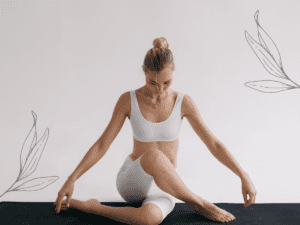
Supported Forward Fold with head rest
Supported Forward Fold with head rest is one of the most consistently recommended postures for vasomotor symptoms. The forward position and head-down orientation activate the baroreflex and reduce heart rate – both of which lower the likelihood of a hot flush episode during practice.

Legs Up the Wall
Legs Up the Wall improves circulation, reduces peripheral vascular resistance, and creates the kind of full parasympathetic activation that makes it genuinely useful for the sleep difficulties common in perimenopause. Practiced for 10 minutes before bed, it consistently improves sleep onset in women with perimenopausal insomnia. It’s worth noting this is a gentle, supported variation rather than a full inversion – for perimenopausal women new to basic inversions, starting with wall-supported versions is the safer entry point before progressing further.

Reclined Butterfly
Reclined Butterfly opens the hips and inner groin while supporting deep abdominal breathing. The combination of pelvic opening and breath awareness addresses the pelvic floor changes that accompany perimenopause while simultaneously activating the vagus nerve.

Seated Meditation and Pranayama
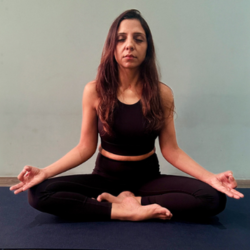
Seated Meditation and Pranayama – particularly slow breathing with extended exhalation – directly target the hypothalamic dysregulation behind vasomotor symptoms. Several studies have found that slow breathing reduces hot flush frequency independent of any postural practice. This extended-exhale technique is one of the four stages of pranayama, and understanding the progression can help women build the breath practice up gradually rather than attempting the most advanced technique first.

Can Yoga Reduce Hot Flushes?
Yes, consistent yoga practice has been shown to reduce hot flush frequency and severity. Research published in PMC found that yoga interventions of 8 to 12 weeks produced significant reductions in vasomotor symptoms compared to controls. The effect was most pronounced in women who also practiced the Pranayama components of the sessions, not just the physical postures.
The reduction isn’t dramatic in the first few weeks. Most women notice a change in severity before frequency – the hot flushes that occur become less intense before they start occurring less often. The frequency reduction typically becomes noticeable around 6 to 8 weeks of consistent practice.
It’s worth being clear about what this means practically. Yoga is unlikely to eliminate hot flushes, particularly in women with severe vasomotor symptoms. It appears to reduce the amplitude and frequency to a level that’s more manageable; for some women, that’s enough. Others need to combine it with HRT or other medical management. Where breath is the primary lever, spending time on core breathing techniques specifically – rather than treating pranayama as an afterthought to the poses – tends to produce more noticeable results.
Is Yoga Safe During Perimenopause?
Hatha yoga is very safe during perimenopause for most women. The main practical consideration is heat. Women experiencing hot flushes should avoid heated or Bikram-style classes, which trigger vasomotor episodes in susceptible individuals. Standard Hatha practice in a cool or well-ventilated space does not present this problem.
Women with perimenopausal bone density concerns should note that weight-bearing yoga postures – standing poses particularly – provide a mild osteogenic stimulus that supports bone density. This is a benefit of yoga that’s underappreciated in the perimenopause context and worth discussing with a teacher or healthcare provider. The wider picture of what yoga does for women’s health beyond the hormonal symptoms themselves is covered in yoga’s impact on women’s health, which touches on bone density alongside other long-term considerations.
Conclusion
Perimenopause is a long transition that responds well to consistent, sustainable intervention. Yoga for female hormone balance addresses several of the mechanisms driving perimenopausal symptoms – hypothalamic dysregulation, cortisol excess, sleep disruption, autonomic imbalance – in ways that other lifestyle interventions don’t specifically target.
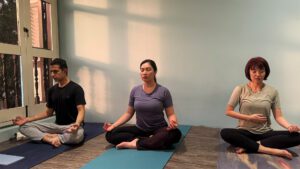
At Rudrakshaa Yogashala, small group Hatha classes offer the kind of environment where modifications for specific hormonal health concerns are possible. If you’re navigating perimenopause and want a yoga practice that works with where you are hormonally rather than ignoring it, browse sessions or check the schedule, and get in touch to have that conversation with the teachers before you start.
Frequently Asked Questions
Can yoga replace HRT for perimenopause?
No. HRT and yoga address different aspects of perimenopause. HRT directly replaces the declining hormones and is the most effective intervention for moderate to severe vasomotor symptoms. Yoga addresses the nervous system and stress physiology that amplify those symptoms. For many women, the two work well together. For women who can’t or choose not to use HRT, yoga and other lifestyle interventions become more central. Neither replaces the other.
How often should I practice yoga during perimenopause?
Three to five times per week produces the most consistent outcomes in the research. The sessions don’t need to be long – 45 minutes of Hatha practice three times a week is more sustainable and produces better results than one long session per week. Consistency across months is what builds the nervous system changes that reduce symptom severity.
Will yoga help with perimenopausal weight gain?
Indirectly. Perimenopausal weight gain is primarily driven by hormonal changes that shift fat distribution toward the abdomen. Yoga helps by improving insulin sensitivity, reducing cortisol (which promotes abdominal fat storage), and improving sleep – all of which influence metabolic health. As a weight-loss tool on its own, it’s modest. As part of a broader approach addressing diet, sleep, and stress, it contributes meaningfully.
Can yoga help with brain fog during perimenopause?
There is emerging evidence that yoga improves cognitive function and reduces brain fog in perimenopausal women, primarily through improving sleep quality and reducing cortisol. Both sleep deprivation and elevated cortisol impair working memory and processing speed – two of the most common cognitive complaints in perimenopause. Improving these through yoga practice tends to improve the cognitive symptoms as a downstream effect.
Is it too late to start yoga in perimenopause if I’ve never practiced before?
Not at all. Most of the women in the research studies on yoga and perimenopause were not experienced practitioners. Many had never done yoga before the intervention started. Hatha yoga specifically requires no prior flexibility, strength, or body awareness to begin. The transition itself is a reasonable moment to start, partly because the motivating discomfort of the symptoms makes the commitment easier to maintain.