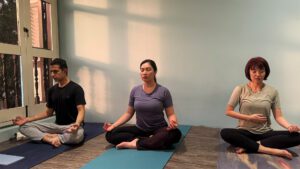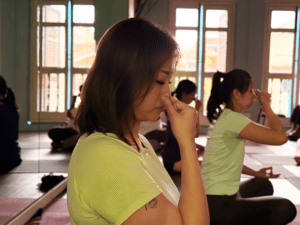


Want more than basic stretches and slow breathing? Kriya Yoga goes deeper. Through breathwork, meditation, and energy cleansing, it brings balance and lasting peace. It’s not just movement—it clears the mind, renews energy, and helps life feel lighter.
Known as the “Yoga of Action,” it works with your energy, lifting mental fog and making everything flow more smoothly. With time, it quiets the mind, sharpens focus, and deepens your connection to something greater. Whether you seek stillness, vitality, or a richer spiritual path, Kriya Yoga clears the way.
The Heart of Kriya Yoga: The Six Kriyas

Kriya Yoga includes six cleansing techniques, known as shat kriyas. These practices purify the body and bring it back into balance.These kriya yoga techniques refresh your energy, quiet the mind, and improve focus. Each focuses on a specific aspect for inner cleansing.
Trataka (Steady Gaze)
Fix your eyes on one spot without blinking. This calms the mind, improves focus, and strengthens vision. Often practiced in meditation-based yoga classes, this shat kriya involves gazing at a steady object, like a candle flame, to sharpen concentration and refresh the eyes.
Nauli (Abdominal Control)
Roll and contract the belly. It helps digestion, strengthens your core, and clears blocked energy. It improves digestion, builds core strength, and unblocks energy. This shat kriya is sometimes taught in advanced yoga but takes strong abdominal control. Beginners usually learn preliminary exercises before attempting Nauli.
Dhauti (Digestive Cleanse)
Drink warm saltwater to flush out toxins. It keeps digestion smooth and leaves you feeling light. This shat kriya is usually not taught in general yoga classes. It includes various techniques best to learn under expert guidance in a specialized yoga retreat or therapeutic setting.
Kapalbhati (Breath Cleanse)
A quick, steady breath clears out toxins, boosts focus, and strengthens the lungs. This ancient shat kriya uses strong exhales to refresh both body and mind. Common in yoga, it’s a go-to pranayama technique for cleansing and energy.
Jala Neti (Nasal Rinse)
A warm saltwater rinse flushes the sinuses, eases congestion, and helps you breathe better. It’s a simple practice that brings clarity and focus. This shat kriya is sometimes taught in yoga workshops.
Basti (Colon Detox)
A powerful cleanse that helps digestion, boosts energy, and restores balance. This shat kriya isn’t part of regular yoga classes since it needs specific conditions and the guidance of an expert for hygiene and safety purposes.
The Power of Daily Kriya Yoga
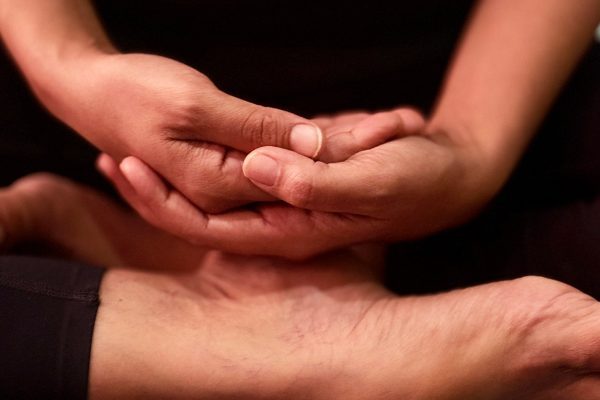
A daily Kriya Yoga practice creates deep and lasting change. With gentle and consistent effort, your days become lighter, clearer, and more balanced. Here are some benefits you may experience:
- Awaken Your Spirit – When energy flows freely, meditation becomes deeper and easier. This isn’t just about the body—it brings a sense of openness.
- Balance Your Energy – When prana flows without blockages, the body feels weightless, and the mind stays sharp. This natural flow keeps you energized and centered.
- Sharpen Your Mind – Trataka and similar techniques improve focus, strengthen memory, and clear mental fog. Thoughts sharpen, and daily tasks become easier.
- Find Emotional Stability – A steady practice calms the nervous system and eases stress. Over time, emotions settle, bringing a deep sense of balance.
- Boost Vitality – Breath and movement awaken energy, making you feel strong and alive. The body adapts, supporting an active and vibrant life.
- Support Digestion – Blockages clear, and internal organs function at their best. This helps the body soak up nutrients, keeping energy steady and nourishment strong. If you’d like to explore yoga’s impact on digestion in a focused, therapeutic setting, our yoga for digestive health workshop is specifically designed to support digestive function and metabolic balance through guided yoga practices.
- Sleep Better – A peaceful system leads to deep, restful sleep. You wake up feeling refreshed and clear.
- Support Longevity – The body cleanses and rebuilds itself. Aging slows, and lasting vitality follows.
A Simple Way to Practice Kriya Yoga
Kriya Yoga is simple. Start with these steps:
- Choose a quiet spot. Sit with your back straight, relaxed but steady.
- Breathe in deeply. Close your eyes. Exhale and release whatever remains.
- Let your mind grow quiet. Focus on your breath, the flicker of a candle, or the stillness between your brows.
- Balance your energy. Practice Kapalbhati or alternate nostril breathing to clear the mind and steady your emotions. No rush. No pressure. Just be.
Bringing Kriya Yoga into Daily Life
Make yoga kriyas a part of your routine, not an extra task. A little awareness can shift everything.
- Morning Clarity – Begin with Kapalbhati to wake up your mind and recharge your energy.
- Midday Focus – When your thoughts scatter, Trataka brings them back. A few minutes can sharpen your focus and quiet the noise.
- Evening Release – As the day settles, steady breathing helps you unwind and let go.
- Daily Presence – Whether at work or with loved ones, be all there.
- Weekly Renewal – Cleanse with Neti or Dhauti to clear toxins and keep energy flowing.
These small, steady practices of energy healing yoga bring balance and ease, helping life unfold naturally.
Discover a Deeper Connection

Kriya Yoga transforms the way you view life. It quiets the mind, strengthens the body, and uplifts the soul. In a fast-paced world, it offers a moment of stillness.
If you seek clarity, well-being, or inner peace, this practice gently guides the way. Start with the simple steps. Find a yoga teacher training in Singapore that feels right. Trust that progress happens when it’s meant to. Every breath, every quiet moment, leads you closer to clarity. With patience and practice, this ancient path can bring balance and meaning to your journey.
Frequently Asked Questions
What happens during Kriya Yoga?
Kriya Yoga involves a combination of specific breathing techniques, mudras (hand gestures), and mantras designed to move energy through the spine and brain. This process accelerates spiritual growth and purifies the nervous system by neutralizing the “whirls” of the mind.
Is Kriya Yoga spiritual or physical?
It is primarily a spiritual and mental practice, though it uses the physical body and breath as tools. Unlike Hatha, which focuses on external postures, Kriya is an internal practice aimed at expanding consciousness and achieving a state of deep meditative stillness.
Are kriyas safe for beginners?
Gentle cleansing kriyas (like Jalaneti) are safe, but advanced meditative Kriyas should be approached with caution. Because they directly influence the nervous system and energy flow, beginners should prioritize foundational Hatha before moving into intensive Kriya practices.
Which kriya should I start with?
Begin with Kapalbhati (shining skull breath) or Jalaneti (nasal cleansing). These physical “Shatkarmas” prepare the body by clearing toxins and respiratory pathways, making it much easier to sit for the deeper meditative practices later on.
How often should I practice Kriya Yoga?
For spiritual development, a daily practice is recommended, ideally during the “Amrit Vela” (early morning). Consistency is key in Kriya, as it gradually reprogrammes the nervous system to handle higher states of awareness and energy.
How often should you do cleansing kriyas?
Mild kriyas like Kapalbhati can be done daily on an empty stomach. More intensive physical cleanses, like Shankhaprakshalana (intestinal wash), are typically done seasonally, about twice a year, to detoxify the digestive system without overtaxing the body.
Does Kriya Yoga increase awareness?
Yes, it is specifically designed to sharpen the “internal witness.” By directing energy toward the higher brain centers, Kriya Yoga helps you become more observant of your thoughts and reactions, leading to a state of heightened mindfulness.
Which yoga is best for spiritual growth?
Kriya Yoga, Raja Yoga, and Bhakti Yoga are the traditional paths for spiritual seekers. Kriya is often favored by those with a modern lifestyle because it offers a structured, “scientific” technique to achieve deep meditation in a shorter time frame.
Is Kriya Yoga better than meditation?
Kriya Yoga is actually a form of advanced meditation. While basic meditation often involves passive observation, Kriya is an active technique used to “force” the mind into a state of quietude, making it highly effective for those who find sitting still difficult.
What makes Kriya Yoga different?
Unlike many styles that focus on stretching or basic mindfulness, Kriya Yoga focuses specifically on the spinal cord and life force (Prana). It treats the spine as a highway to higher consciousness, using the breath to accelerate evolution.
What is the difference between Kriya Yoga and other yoga styles?
While Hatha focuses on the physical body and Vinyasa on flow, Kriya focuses on the subtle energy body. It is less about “working out” and more about “working in,” prioritizing the mastery of energy over the mastery of physical poses.
Do I need a teacher to practice Kriya Yoga?
Yes, for the meditative aspects, a qualified teacher or “Guru” is essential to ensure you are managing the energy flow correctly. Attempting advanced Kriya techniques without guidance can lead to physical or mental strain as the nervous system adjusts to the practice.