
Modern life rarely gives you a chance to breathe. Between work deadlines, endless notifications, financial worries, and personal responsibilities, the mind stays in a near-constant state of high alert. After a while, that relentless pressure takes a toll — leaving people feeling anxious, drained, and out of sync with themselves.
Yoga offers a way back to balance. Not in a dramatic, overnight way, but gradually and meaningfully — through mindful movement, breath awareness, and present-moment focus that coaxes the body out of survival mode and into genuine rest.
Many people exploring stress relief yoga Singapore classes are surprised to find that yoga goes far beyond physical fitness. Practiced consistently, it builds emotional resilience, settles anxious thoughts, improves sleep, and supports long-term mental wellbeing. This guide breaks down how yoga supports stress reduction and why it matters for nervous system health.
Understanding Stress and the Nervous System
To understand how yoga helps, it helps to understand what stress actually does to the body.
The nervous system governs everything — breathing, digestion, emotional responses, the works. It operates through two main branches. The sympathetic nervous system kicks in during stressful situations, triggering the well-known “fight or flight” response. The parasympathetic nervous system does the opposite — it’s the “rest and digest” mode that helps the body recover and settle.
The problem with chronic stress is that the sympathetic system stays switched on long after the threat has passed. Over time, this shows up as anxiety, poor sleep, digestive discomfort, muscle tension, and difficulty focusing.
Yoga gently shifts the body back toward the parasympathetic side. Slow breathing, mindful movement, and focused attention all signal to the nervous system that it’s safe to relax, which is exactly why so many wellness practitioners point people toward stress relief yoga Singapore programs when stress or anxiety becomes persistent.
How yoga really helps with stress and anxiety?
Yoga doesn’t just help you feel relaxed in the moment. Its effects run deeper than that. Regular practice gradually reshapes how the body and nervous system respond to stress, helping break the patterns that keep people stuck in tension and emotional overwhelm. This is why so many people turn to stress relief yoga Singapore programs not as a quick fix, but as a sustainable way to manage everyday pressure.
Yoga Changes How the Body Responds to Stress
Stress isn’t just something that happens in the mind. It’s a full-body experience. When pressure builds, the body releases cortisol and adrenaline, which raise the heart rate, tighten muscles, and keep the brain on constant alert.
Yoga works against this cycle. Slow movement and mindful breathing send the body a signal that it’s safe to stand down. With consistent practice, this helps shift the nervous system away from chronic alertness and toward a more balanced, settled state, which is at the heart of yoga for nervous balance.
Slow Breathing Calms the Nervous System
When stress peaks, breathing tends to become short and shallow, which ironically makes anxiety worse. Yoga addresses this directly.
Focused, controlled breathing stimulates the vagus nerve, a key pathway that links the brain to the body’s calming response system. When the vagus nerve is activated, the brain receives signals to slow the heart rate and reduce stress. It’s one of the reasons breathwork is central to stress relief yoga Singapore classes, because learning to regulate the breath gives you a reliable, accessible way to return to calm.
Know More: 4 Foundational Yoga Breathing Techniques For Your Practice
Yoga Releases Stored Tension
The body tends to hold stress in predictable places, including the shoulders, neck, hips, and jaw. Long hours at a desk, emotional strain, and daily pressure layer tension into these muscles over time, often without people realizing how tight they’ve become.
Yoga poses gently work through this buildup. As the muscles release, the nervous system follows. Many people who practice yoga for nervous balance regularly notice not just less physical stiffness, but a general sense of ease that carries into everyday life.
Lower Cortisol Over Time
Cortisol is the body’s primary stress hormone. It serves a purpose in short bursts, but chronically elevated cortisol leads to fatigue, disrupted sleep, and mood instability.
Research indicates that a consistent yoga practice can bring cortisol levels down gradually. The combination of breathwork, movement, and intentional relaxation helps regulate the body’s stress response from the inside out, which is why stress relief yoga Singapore sessions are increasingly recommended as part of broader wellness routines, not just fitness ones.
Builds Nervous System Resilience
Perhaps the most significant long-term benefit of yoga is what it does for nervous system resilience. Over time, the body gets better at recovering from stress, moving out of fight-or-flight mode more quickly and returning to a calm baseline with less effort.
This adaptability is what makes yoga for nervous balance more than a relaxation technique. It’s a training ground for the nervous system, building the kind of composure that shows up in real life, not just on the mat.
Even One Session Can Help
That said, you don’t need months of practice to feel a difference. Even a single session of gentle stretching, slow breathing, and a few minutes of relaxation can lower heart rate and ease tension noticeably.
Most people leave their first class feeling calmer and mentally clearer than when they walked in. That shift, subtle as it may seem, is often what draws people back and eventually turns stress relief yoga Singapore into a lasting part of how they take care of themselves.
Does Yoga Really Help With Stress?
Yes, and the research backs this up. Studies consistently show that yoga lowers cortisol, the hormone the body produces in response to stress. When cortisol stays elevated over time, it contributes to fatigue, mood swings, weight changes, and a weakened immune system. Yoga works against this through three interconnected elements.
Breath regulation, or pranayama, teaches the body to breathe slowly and deliberately. This signals safety to the nervous system, slowing the heart rate and quieting mental noise.
Mindful movement releases the physical tension that tends to accumulate in the neck, shoulders, and lower back during stressful periods.
Meditative awareness pulls attention back to the present moment, interrupting the loop of repetitive or anxious thinking.
Together, these aren’t just relaxation techniques — they’re tools for changing how the nervous system responds to pressure. With regular practice, stress relief yoga Singapore routines help people approach challenges with more clarity and less reactivity.
Which Type of Yoga Is Best for Stress?
Not all yoga styles work the same way. Some are physically intense and energizing; others are slow and deeply restorative. For stress and nervous system support, the following styles work best.
- Hatha Yoga focuses on slow postures and controlled breathing — a good fit for beginners and anyone seeking yoga for nervous balance, since the pace allows you to stay connected to your breath without feeling rushed.
- Yin Yoga involves holding poses for three to five minutes at a time, giving the body’s connective tissues a chance to release deep tension while activating the parasympathetic nervous system.
- Restorative Yoga uses props — bolsters, blankets, blocks — to support the body in restful positions fully. The aim isn’t stretching; it’s complete relaxation. Many people attending stress relief yoga Singapore classes find restorative sessions especially helpful after demanding workdays.
- Gentle Flow Yoga moves through a slow, rhythmic sequence that links breath to movement. It releases built-up tension while improving circulation without pushing the body too hard.
Which Yoga Is Best for Anxiety?
Anxiety puts the body on high alert — the heart races, breathing becomes shallow, and muscles tighten. Certain yoga practices address these symptoms directly.
Breathing-focused techniques like diaphragmatic breathing or alternate nostril breathing regulate oxygen flow and calm the mind by activating the vagus nerve, a key player in the parasympathetic nervous system.
Forward folding poses — standing forward folds, seated forward bends, child’s pose — naturally encourage the body to turn inward and release mental agitation. They’re a staple in stress relief yoga Singapore sessions for good reason.
Grounding postures like mountain pose, warrior poses, and gentle squats bring attention back into the body, which is particularly useful when anxious thoughts start to spiral.
Which Yoga Is Best for the Nervous System?
A well-rounded yoga practice that combines breathwork, gentle movement, and relaxation tends to be the most supportive for nervous system health.
Slow breathing techniques train the body to breathe more deeply and steadily over time, improving its natural stress response.
Gentle stretching releases the muscular tension that builds up during stressful periods, often showing up as neck or shoulder pain and poor posture.
Mindfulness and meditation, typically at the end of a session, give the mind a chance to absorb the effects of the practice. Regular exposure to this kind of stillness builds long-term yoga for nervous balance.
Does Yoga Heal Your Nervous System?
Yoga isn’t a medical treatment, but it does meaningfully improve how the nervous system functions.
With consistent practice, the body gets better at recovering from stress, regulating emotions, releasing chronic muscle tension, and sleeping more deeply. Mental clarity often improves, too. These shifts happen because yoga strengthens the relationship between breath, body, and mind — and over time, that awareness allows people to respond to stress rather than react to it.
For many attending stress relief yoga classes in Singapore, this is where the real change happens: not just on the mat, but in how they carry themselves through daily life.
Does Hot Yoga Regulate the Nervous System?
Hot yoga has its benefits — improved circulation, greater flexibility, a good sweat — but it isn’t always the right fit for nervous system regulation.
For people dealing with high anxiety or nervous system fatigue, a heated environment can feel more stimulating than soothing. In those cases, slower and cooler styles like Hatha, Yin, or Restorative yoga tend to be more effective for building yoga for nervous balance.
Simple Yoga Poses to Start With
If you’re new to yoga, you don’t need a complicated routine to feel a difference. These accessible poses are commonly included in stress relief yoga Singapore programs for good reason.
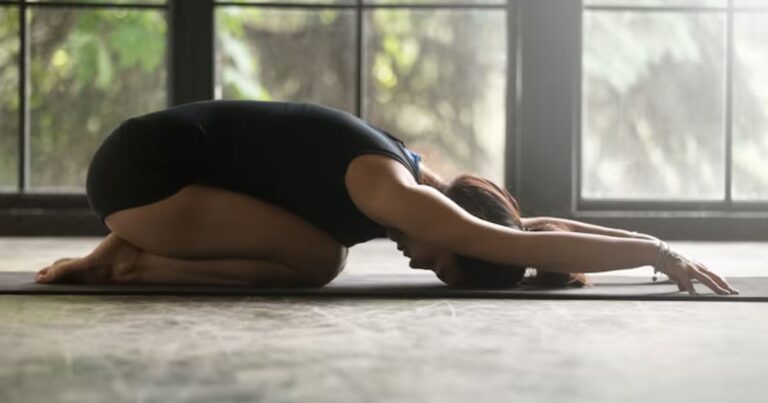
Child’s Pose
This is a gentle resting posture that calms the nervous system and eases tension in the back and shoulders.
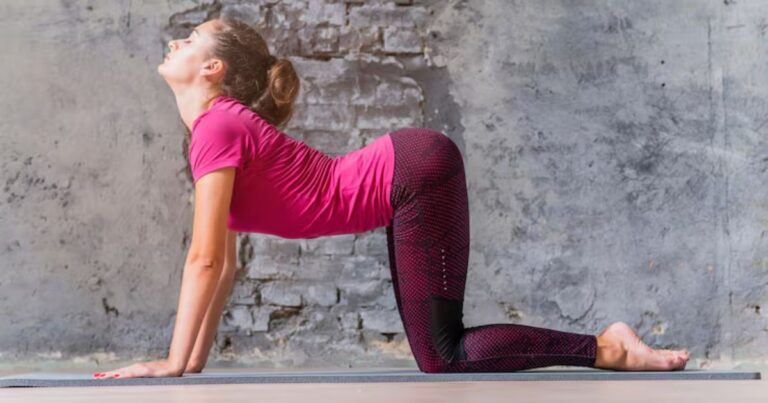
Cat-Cow Stretch
It coordinates breath with slow spinal movement, improving flexibility and grounding the mind.
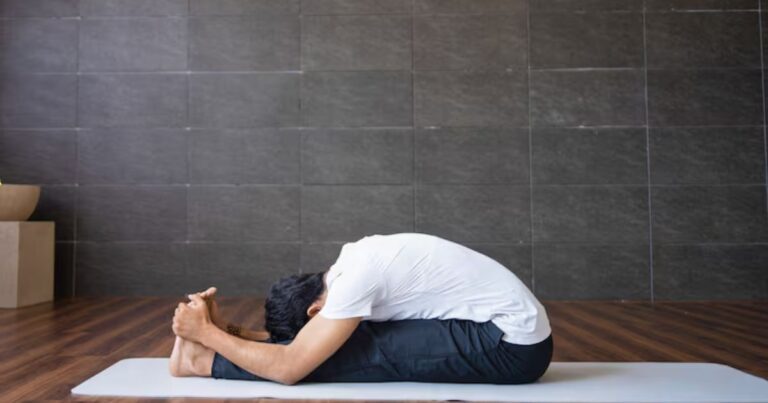
Seated Forward Bend
This encourages relaxation while gently stretching the spine and hamstrings.This is a gentle resting posture that calms the nervous system and eases tension in the back and shoulders.
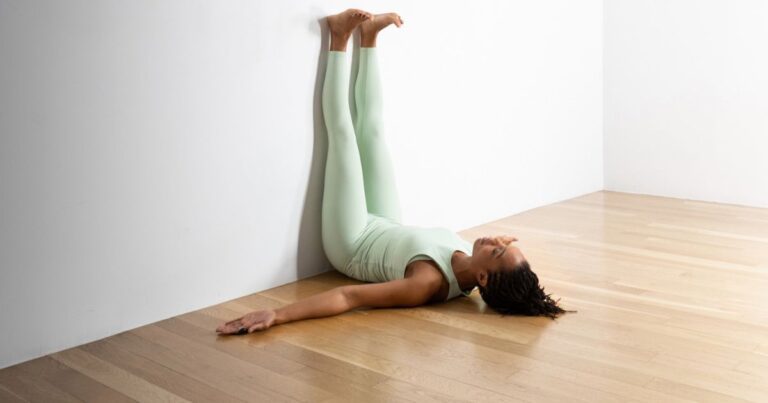
Legs-Up-the-Wall Pose
This is a restorative posture that improves circulation and encourages deep, full-body relaxation.
Building a Consistent Practice
The benefits of yoga compound with consistency. Even 10 to 20 minutes a day can noticeably shift stress levels over time.
Start slowly and choose beginner-friendly classes or short home sessions. Keep your focus on the breath — it’s the most accessible and effective tool for calming the nervous system. Practicing at roughly the same time each day helps build the habit, and listening to your body matters more than pushing through discomfort.
Over time, these small, steady efforts build something more valuable than flexibility — they build genuine emotional resilience.
Supporting Your Wellbeing Through Yoga
Stress and anxiety are part of modern life, but they don’t have to run it. Yoga offers a grounded, practical way to reconnect with your breath, body, and sense of calm — without requiring dramatic lifestyle changes.
Through consistent, mindful practice, the nervous system learns to shift more easily into a state of rest. The mind clears. The body relaxes. Every day challenges start to feel more manageable.
If you’re ready to experience this for yourself, exploring stress relief yoga Singapore practices is a meaningful place to start. At Rudrakshaa Yogashala, experienced instructors offer guided sessions that help practitioners build strength, flexibility, and inner calm at their own pace — in a safe and supportive environment.
Whether you’re managing daily stress or working toward deeper wellbeing, a guided class can be the first step toward lasting yoga for nervous balance.
Let me know if you’d like any section adjusted in tone or length!
Frequently Asked Questions
How often should I practice yoga for stress relief?
There’s no one-size-fits-all answer, but practicing three to five times a week tends to produce noticeable results for most people. If you do not have time, even short daily sessions centered on breathing and gentle movement can make a real difference. Consistency matters more than duration, so finding a frequency you can actually stick to is the best starting point for any stress relief yoga Singapore routine.
Can yoga help with anxiety and overthinking?
It can, and quite effectively. Yoga works on anxiety from multiple angles at once, combining breathwork, physical movement, and present-moment awareness to slow racing thoughts and release tension from the body. Over time, this builds better yoga for nervous balance, helping the nervous system break the habit of staying in a heightened stress state.
Is yoga better than meditation for reducing stress?
It’s is not about is better but more about what works for you. Meditation focuses primarily on the mind, while yoga brings the body into the process too, using movement and breath to release physical tension alongside mental stress. For many people, that combination is what makes stress relief yoga Singapore practices so effective. The two also complement each other well if you want to explore both.
How long does it take for yoga to reduce stress levels?
Some people notice a shift in mood and tension after just one session. Bigger changes, like improved sleep, reduced anxiety, and stronger yoga for nervous balance, typically develop over several weeks of consistent practice. The key is not to rush it. Small, regular sessions build results more reliably than occasional intense ones.
Can beginners practice yoga for stress and anxiety?
Absolutely, and many classes are designed with beginners specifically in mind. Gentle styles like Hatha or restorative yoga are accessible entry points that focus on simple breathing techniques, basic stretches, and relaxation without overwhelming new practitioners. These styles align well with stress relief yoga Singapore practices and are a safe, effective place to start.