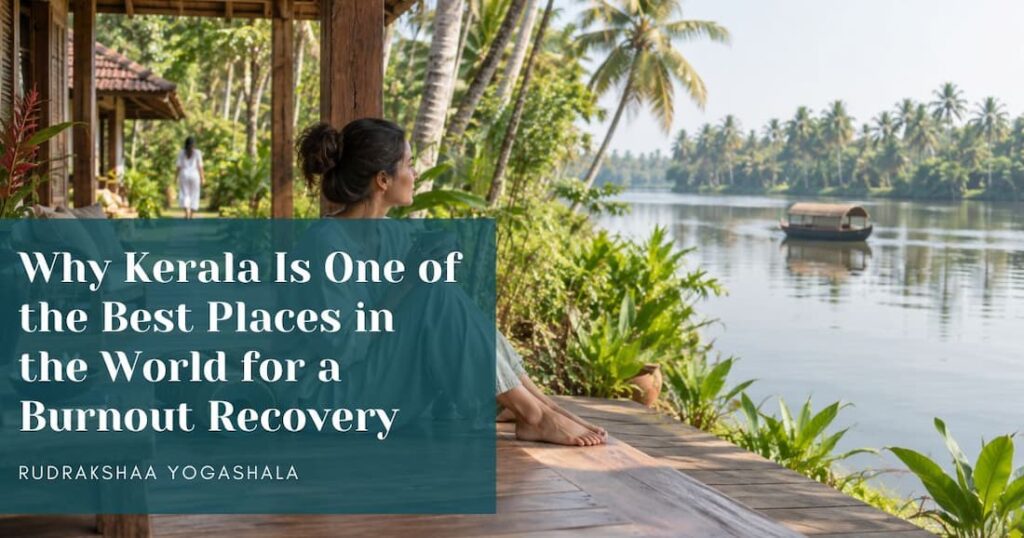

There are yoga retreat destinations everywhere now. Bali, Rishikesh, Portugal, Thailand – the market for wellness travel has expanded to the point where almost anywhere with good weather and a photogenic studio qualifies. Kerala is different not because of the branding but because of the substance. The convergence of climate, Ayurvedic medical tradition, terrain, and teaching lineage there creates something most retreat destinations can’t replicate even with significantly better marketing. This is the reasoning behind Beyond Burnout: Yoga Retreat in Kerala, which builds specifically around this convergence.
Why Is Kerala a Good Destination for a Yoga Retreat?
Kerala is one of the best yoga retreat destinations in the world because it is the birthplace of Ayurveda and home to an unbroken tradition of both classical yoga and Ayurvedic medicine that predates the modern wellness industry by centuries. The combination of genuine traditional teaching, a natural environment that supports recovery, and a medical tradition specifically designed for nervous system restoration makes it uniquely suited to burnout recovery in ways that newer, trendier destinations are not.
The geography contributes directly. Kerala’s backwaters, hill stations, and coastline provide the specific quality of environmental exposure – natural soundscape, clean air, visual complexity of natural landscapes – that research consistently links to nervous system restoration. This is not incidental. The effect of immersion in natural environments on cortisol and autonomic function is well-documented enough to have its own research category: attention restoration theory. This exact mechanism is explored at length in why a yoga retreat in nature helps burnout recovery, which covers the physiological research behind natural environment exposure specifically.
What Makes Kerala One of the Best Places for Yoga and Wellness Retreats?
Several things combine to make Kerala exceptional rather than merely good. The tradition is the most significant. Kerala has active lineages of classical yoga and Ayurveda that have been maintained continuously, which means the teaching available there – from genuinely experienced practitioners – is qualitatively different from what’s available in retreat destinations built primarily around tourism.
The climate in Kerala’s hill stations, particularly from October to March, is cool enough to practice comfortably without the heat stress that makes practice in other tropical locations difficult for depleted people. The Munnar region and the Wayanad plateau sit at elevations that produce mornings in the low 20s Celsius – ideal for early morning sadhana.
Kerala’s food culture is also relevant for recovery. The traditional Kerala diet is predominantly plant-based, anti-inflammatory, and aligned with Ayurvedic nutritional principles that support nervous system recovery. Eating the local food at a traditional retreat reinforces the healing environment rather than working against it.
Is Kerala Good for a Yoga and Meditation Retreat?
Yes, particularly for students looking for traditional Hatha rather than a packaged wellness experience. Kerala has a higher density of teachers trained in classical lineages than most other retreat destinations, partly because of the Ayurvedic and yoga education infrastructure that exists there and partly because the tradition has maintained itself without the commercial dilution that affects yoga in more tourist-saturated markets.
For meditation specifically, Kerala’s monasteries and traditional ashrams offer environments of genuine stillness that are increasingly rare in the global retreat market. The combination of meditation with Ayurvedic treatment – which directly addresses nervous system function through marma point therapy, shirodhara, and abhyanga – creates a synergy that meditation alone in a hotel spa cannot produce.
Why Are Yoga Retreats in Kerala Often Combined with Ayurveda?
Yoga retreats in Kerala combine with Ayurveda because the two traditions developed together and are designed to work synergistically. Ayurveda addresses the body’s physical constitution and treats specific imbalances through herbal medicine, dietary protocol, and therapeutic bodywork. Yoga addresses the nervous system and consciousness. For burnout recovery specifically, the two together cover the full picture in ways that either alone does not.
Shirodhara – the continuous pouring of warm oil over the forehead – produces one of the most direct parasympathetic responses available in any therapeutic modality. For someone with severely dysregulated HPA axis function, a week of daily shirodhara alongside Hatha yoga practice produces nervous system changes that would take months of yoga practice alone to achieve. This HPA axis dysregulation and its recovery trajectory is covered in more detail in high cortisol effects on the body and in why Hatha yoga is best for burnout, both of which explain why this axis takes as long as it does to normalise.
Panchakarma, Ayurveda’s more intensive detoxification protocol, addresses the physical accumulation of stress byproducts – oxidative stress metabolites, inflammatory markers, hormonal residues – that yoga practice alone doesn’t clear efficiently. The combination is not tradition for its own sake. There is a functional logic to it that matters for recovery outcomes.
Is Kerala Better Than Rishikesh for a Yoga Retreat?
They serve different purposes rather than one being objectively better. Rishikesh is the centre of North Indian yoga lineages, particularly Sivananda and the traditions flowing from the Himalayas, and is most appropriate for people seeking those specific traditions or teacher training. The Ganges, the mountain environment, and the ashram culture create a particular quality of experience.
Kerala offers South Indian traditions including Kerala’s own Desikachar lineage influence, classical Hatha, and the Ayurvedic integration that Rishikesh doesn’t match. For burnout recovery specifically – where the combination of nervous system restoration, nutritional support, and therapeutic bodywork is most relevant – Kerala’s Ayurvedic dimension makes it more comprehensive. This is why the overall case laid out in why a yoga retreat is the best reset for stress and burnout points specifically toward Kerala rather than treating all retreat destinations as interchangeable.
The climate difference also matters practically. Rishikesh’s winters can be genuinely cold, while Kerala’s hill stations offer mild temperatures year-round. For people who are already depleted, thermal comfort is not a small consideration.
Which Places in Kerala Are Best for a Yoga Retreat?
The most recommended locations within Kerala for yoga and wellness retreats are Munnar (hill station, cool climate, natural immersion), Varkala (coastal, strong retreat infrastructure), Wayanad (remote, forest environment, hill station climate), and Alleppey (backwaters, very Kerala-specific landscape experience).
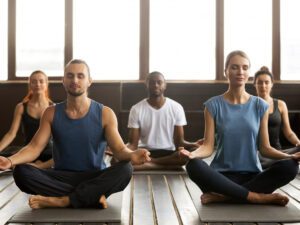
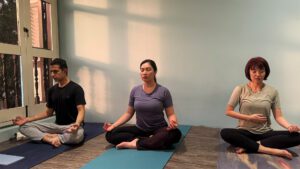
Munnar and Wayanad are particularly well-suited to burnout recovery because the cooler temperatures and forest environments provide the natural immersion quality that urban burnout most needs. Varkala has a stronger established retreat infrastructure, which makes logistics easier for first-time visitors. Alleppey offers the distinctive backwater experience – houseboat stays embedded in rice paddies and waterways – that is completely specific to Kerala and produces a particular quality of disengagement from normal life. A similar quality of immersive, structured group experience is visible in the Darjeeling retreat gallery, for anyone wanting a sense of what a comparable multi-day retreat setting looks like in practice.
What Is the Best Time of Year to Go on a Yoga Retreat in Kerala?
The best time for a yoga retreat in Kerala is October to March. This is the dry season in most of Kerala, the hill stations are at their coolest and most comfortable, and the natural landscape is at its most vibrant after the monsoon has cleared. The monsoon period from June to September is also considered auspicious for Ayurvedic treatment – the humidity opens the skin’s pores and increases treatment efficacy – but the weather makes outdoor practice and movement less comfortable.
April and May are the hottest months and generally least recommended for physically active retreats. For purely restorative and Ayurvedic programs with minimal physical yoga, they’re manageable, but for anyone planning regular morning and evening practice, October to February is significantly more comfortable.
How Long Should You Stay at a Yoga Retreat in Kerala?
The minimum stay that produces meaningful burnout recovery results is 7 days. Less than that rarely allows enough decompression from normal life patterns to produce genuine nervous system change – the first two to three days are typically spent decelerating. Fourteen to twenty-one days is what traditional Ayurvedic programs recommend for significant constitutional treatment, and the research on nature immersion and burnout recovery also points to two weeks as the threshold for durable effect. This decompression timeline, and what a first week or first stay actually feels like, is covered in more practical detail in what to expect on your first yoga retreat.
For people with severe burnout or significant HPA axis dysregulation, a shorter retreat functions as a preview rather than a treatment. It provides enough of an experience to understand what consistent practice would feel like, which can motivate a longer commitment, but it doesn’t produce lasting change on its own.
Are Yoga Retreats in Kerala Suitable for Beginners?
Yes, most Kerala retreats accommodate complete beginners and are often specifically designed for people who are new to yoga. The context of a retreat – structured schedule, expert guidance, no competing demands on attention – is actually a better learning environment for beginners than a studio class, where the absence of external structure requires the student to generate their own motivation. Complete beginners can get a head start by spending some time with the yoga basics before travelling, so the retreat sessions build on some existing familiarity.
Beginners at Kerala retreats typically progress faster than beginners in regular classes because the immersive environment allows faster accumulation of practice hours and the one-on-one attention available in smaller retreat settings produces more individualised instruction.
Conclusion
Kerala’s combination of traditional teaching lineage, Ayurvedic medical infrastructure, natural environment, and cultural depth makes it genuinely one of the world’s best destinations for burnout recovery – not by marketing claim but by the convergence of factors that actually produce nervous system restoration.
At Rudrakshaa Yogashala, the traditional Hatha practice taught in Singapore maintains the lineage and depth that makes Kerala retreats effective. If a Kerala yoga retreat is something you’re considering, having a consistent foundation practice in Singapore before and after the retreat – including through online traditional Hatha yoga classes if attending in person isn’t always possible – makes the experience significantly more productive. Browse sessions or check the schedule, and get in touch to start building that foundation.
Frequently Asked Questions
How do Ayurveda and yoga complement each other in Kerala retreats?
Ayurveda addresses physical constitution and specific imbalances through diet, herbal treatment, and therapeutic bodywork. Yoga addresses the nervous system and mental patterns through movement, breathwork, and meditation. For burnout recovery, Ayurveda treats the physical and biochemical manifestations – inflammation, hormonal disruption, accumulated metabolic stress – while yoga treats the nervous system dysregulation that maintains the burnout state. Together they cover the recovery picture more completely than either alone.
What should I expect on a first Kerala yoga retreat?
The first two to three days typically involve significant decompression – some people experience increased fatigue, emotional release, or restlessness as the nervous system begins to downregulate from its habitual alert state. This is normal and usually resolves by day four. The quality of sleep typically improves noticeably in the first week. Physical symptoms – tight muscles, headaches, digestive irregularity – often worsen briefly before improving as the detoxification process begins.
Is it safe to do Ayurvedic treatments alongside yoga practice?
Generally yes, but this depends on the treatments involved. Light Ayurvedic therapies like abhyanga massage, shirodhara, and dietary protocol run well alongside daily yoga practice. More intensive detoxification protocols like Panchakarma are typically accompanied by reduced physical yoga to allow the body to focus on elimination rather than exertion. A qualified Ayurvedic practitioner at a reputable retreat will advise appropriately.
Can I go on a Kerala yoga retreat if I have health conditions?
Most reputable Kerala retreats conduct a health intake before finalising your program. Common conditions like hypertension, back pain, anxiety, and hormonal imbalance are routinely accommodated with appropriate modifications. More complex medical situations require more detailed assessment. Contact the retreat directly before booking rather than assuming either that your condition is too complex or that it won’t affect what you can do.
How is a Kerala yoga retreat different from a spa vacation?
The structure, the intent, and the outcomes are different. A spa vacation provides temporary relief within normal life patterns. A yoga retreat in Kerala creates conditions for actual nervous system change – structured daily practice, reduced stimulation, natural environment, dietary support, and often Ayurvedic treatment – that produces effects that continue after returning home. The retreat is designed to change your baseline, not just give you a break from it.