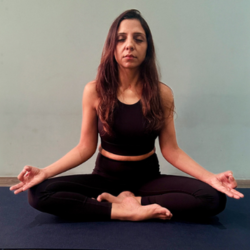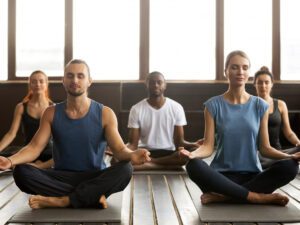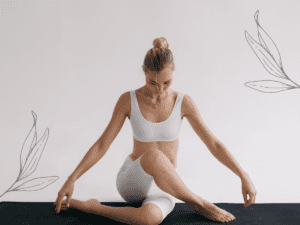

If your nervous system is running on fumes, the last thing it needs is more intensity. That’s the core problem with recommending most exercise to burnt-out people – it adds load to a system that’s already past capacity. Hatha yoga in Singapore is increasingly sought out by people in exactly this state, and for good reason. It’s one of the few practices that works with depletion rather than pushing through it.
What Is Burnout and Why Does It Affect the Body?
Burnout is not just exhaustion. It’s a state of chronic physiological and psychological depletion that develops when stress is sustained long enough that the body’s recovery systems stop keeping pace. The World Health Organisation classifies it as an occupational phenomenon with three defining features: exhaustion, growing detachment from one’s work, and reduced performance.
What makes burnout different from ordinary tiredness is what happens in the nervous system. Prolonged stress keeps cortisol elevated. Over time, the HPA axis – the hormonal stress-response system – becomes dysregulated. Sleep becomes less restorative. Motivation drops. Emotional reactivity increases. The body is stuck in a low-grade fight-or-flight state it can no longer switch off from. It’s also worth noting that this physiology plays out differently by gender – why women burn out differently breaks down the additional hormonal layer that compounds burnout specifically for women.
This is why conventional advice to “just rest more” often doesn’t work. Rest without nervous system regulation doesn’t produce recovery. The system needs something that actively brings it down.
Why Is Hatha Yoga Particularly Effective for Burnout Recovery?
Hatha yoga is effective for burnout because it directly activates the parasympathetic nervous system through slow movement, controlled breathwork, and extended rest postures. Unlike vigorous exercise styles that elevate cortisol further, Hatha’s pace and structure signal safety to the nervous system, interrupting the chronic stress cycle at a physiological level. This mechanism is explored in more general terms in how yoga helps with stress and the nervous system, which covers the same parasympathetic pathway outside the specific context of burnout.
Research supports this more specifically than most people realise. A 2023 study published in Acta Psychologica found that yoga and mindfulness-based interventions produced significant reductions in emotional exhaustion and depersonalisation – two of the three clinical markers of burnout. A separate 2024 paper in Psychoneuroendocrinology found measurable reductions in cortisol and improvements in sleep quality among participants in regular yoga programs.
What Hatha specifically offers over other yoga styles is the pace. Vinyasa and power yoga generate heat and cardiovascular demand – beneficial for many people, but actively counterproductive for someone in adrenal depletion. Hatha’s longer pose holds, emphasis on breath over speed, and the non-competitive environment reduce physiological load rather than adding to it. This distinction between pace-driven styles and slower, traditional approaches is covered in more depth in traditional yoga vs modern yoga, for anyone trying to understand why the style choice matters this much.
What Does Hatha Yoga Do for a Burnt-Out Nervous System?
Hatha yoga resets a burnt-out nervous system by extending the exhale breath, reducing muscle tension through held postures, and interrupting the chronic sympathetic activation that burnout produces. Even a single session has been shown to lower heart rate variability markers associated with stress.
The mechanism is reasonably well understood. Slow nasal breathing with extended exhalation activates the vagus nerve, which is the primary driver of parasympathetic tone – the body’s ability to rest and recover. Most burnt-out people have chronically shortened exhales without realising it. Hatha practice, which emphasises breath throughout, corrects this pattern within a few sessions. This extended-exhale technique sits within the four stages of pranayama, and understanding why breath takes priority here is covered directly in why breath is more important than movement in yoga.
Beyond the breath, the postural work matters too. Chronic stress creates physical holding patterns – tight shoulders, compressed chest, shallow ribcage breathing, braced abdomen. Hatha’s long holds give the muscles time to release at a neurological level, not just stretch mechanically. The result, after a consistent period of practice, is a body that’s physically carrying less of the stress it’s been holding. Anyone wanting a simple grounding sequence to practice between classes can also work through 6 yoga poses to calm the nervous system, several of which target exactly these holding patterns.
How Long Before Someone Burnt Out Starts Feeling Better with Hatha Yoga?
Most people recovering from burnout notice an improvement in sleep quality and emotional steadiness within 3 to 4 weeks of consistent Hatha practice, attending two to three sessions per week. Full nervous system recovery from clinical burnout takes longer – typically several months – but yoga tends to accelerate the timeline meaningfully compared to rest alone.
The research from Frontiers in Public Health suggests that 8-week yoga interventions produce the most consistent outcomes across burnout populations. That’s roughly two months of regular practice before expecting significant change in the deeper markers – cortisol patterns, sleep architecture, emotional reactivity. The early weeks feel different before they look different on any measure. This gradual, before-it-shows-up-on-paper pattern is also discussed in yoga and cognitive function, since mental clarity tends to return in the same slow, cumulative way rather than all at once.
What most people report in the first few weeks is simpler: they sleep better, they feel less wired at the end of the day, and the things that were triggering disproportionate reactions start to feel more manageable. That’s the nervous system beginning to regulate. The more dramatic shifts come later. For people whose burnout is severe enough that weekly classes feel insufficient, why a yoga retreat can be the reset burnout recovery needs is worth reading before deciding on a starting approach.
Is Traditional Hatha Yoga Better for Burnout Than Studio Flow Classes?
Traditional Hatha yoga is more effective for burnout than flow-based studio classes because it prioritises nervous system regulation over physical performance. Traditional Hatha classes hold postures longer, spend more time on pranayama, and create space for stillness that vigorous flow formats deliberately avoid.
This distinction matters more than it might seem. A lot of what’s marketed as “Hatha” in contemporary studio settings is essentially slow Vinyasa – sequences that move more slowly but still prioritise flowing from pose to pose over sustained holding and breath awareness. Traditional Hatha, rooted in the Hatha Yoga Pradipika and related lineages, treats the postures as vehicles for nervous system work rather than physical conditioning. Students who want a slightly more structured version of this slower approach, without losing the breath-first emphasis, may find progressive Hatha fusion a useful bridge as their practice develops.
For someone in burnout, that difference is the whole thing. The goal is not to exercise harder. It’s to create the internal conditions where the body can actually recover. This kind of shift, where the practice changes how someone functions day-to-day rather than just how they feel during class, is the pattern explored more broadly in how yoga in Singapore transforms lives.
Conclusion
Burnout needs a different kind of intervention than most people reach for first. Rest helps, but passive rest without active nervous system regulation tends to plateau. Traditional Hatha yoga in Singapore addresses the physiological mechanisms of burnout directly – cortisol dysregulation, HPA axis overactivation, disrupted sleep, chronic sympathetic dominance – in a way that genuinely complements both rest and professional support. Understanding why breathing is important in yoga is a good place to start if breathwork feels like the most immediately actionable piece of this.
At Rudrakshaa Yogashala, traditional Hatha is the foundation of how classes are taught. Small group sizes mean the environment is genuinely quiet and non-competitive – which matters more than most people expect when recovering from burnout. If you’re in that state and wondering where to start, browse sessions or check the schedule, and get in touch – a regular Hatha practice in the right setting is a solid answer.
Frequently Asked Questions
Can yoga actually fix burnout or does it just manage symptoms?
Burnout has physiological roots – cortisol dysregulation, disrupted sleep, HPA axis dysfunction – and Hatha yoga addresses those mechanisms directly through breathwork and nervous system regulation. It doesn’t just manage symptoms. Research shows it produces measurable changes in the underlying stress markers. That said, severe burnout often needs a combination of approaches: yoga works best alongside adequate rest, reduced load, and in some cases professional support.
How many times a week should a burnt-out person do Hatha yoga?
Two to three times per week is the most commonly studied frequency in burnout research, and it’s a practical starting point. More than that in early recovery can actually be too much – especially if each session is long. Shorter, more frequent sessions tend to work better than occasional long ones. The nervous system responds to consistency over intensity.
Is Hatha yoga safe if I’m exhausted and can barely exercise?
Yes, and it’s particularly appropriate in that state. Hatha does not require cardiovascular fitness, strength, or flexibility to begin. The practice works with where the body is rather than demanding a level of capacity it doesn’t currently have. Most burnt-out beginners are surprised by how accessible it feels relative to how depleted they felt walking in.
What’s the difference between Hatha yoga and restorative yoga for burnout?
Restorative yoga uses props to support the body in completely passive positions and is specifically designed for deep rest – it’s appropriate for acute exhaustion. Hatha involves more active engagement, which makes it better suited to the longer recovery arc. Many people benefit from restorative practice in the early stages and transition to Hatha as their capacity returns. They’re not mutually exclusive.
Will traditional Hatha yoga in Singapore feel too slow or boring?
It depends on what you’re used to. Students coming from fast-paced fitness environments often find the first few sessions uncomfortable in their stillness – there’s less to do, which means more to notice. That’s actually the point. Most people who stay with it past the first few classes describe the shift from restless to settled as one of the more significant things traditional Hatha yoga in Singapore has produced for them.