
Most people step onto the mat looking for peace. The breath slows, the body moves, the mind softens. Things settle. You feel a little more like yourself again. But there’s a part of the practice that tends to sit quietly in the corner—often skipped, often underestimated: inversions.
Going upside down isn’t about showing off or just working your abs. It flips more than your body. When your heart rises above your head, something subtle shifts. The view changes. So does your sense of where you are—and who you are. Balance stops being about the pose. It starts to feel like a way of being.
Inversion yoga carries something rare. A different kind of focus. A steadier kind of strength. A softer kind of courage. And the more you step into them, the more they show you. Not just how to hold yourself up—but how to let go.
What Are Inversions in Yoga?
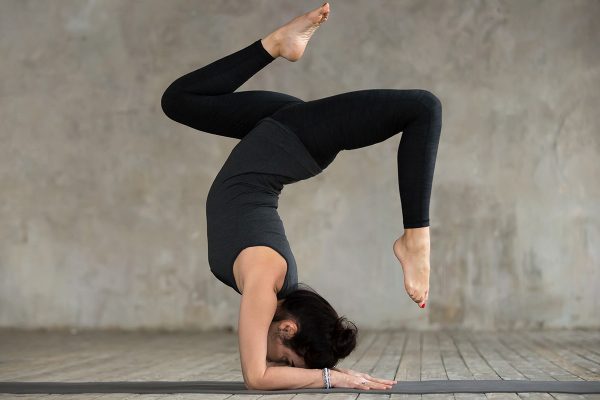
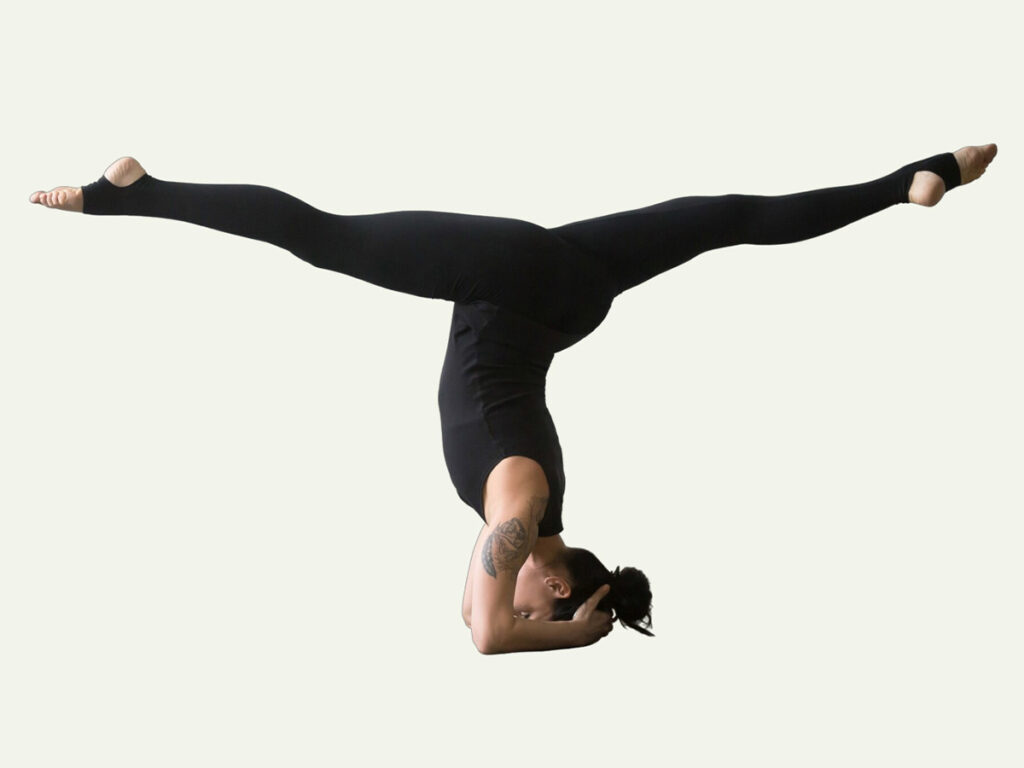
Inversions are poses where your heart sits higher than your head. That’s it. Just flipping the usual setup. You’ll find them woven into yoga’s roots—long-practiced, quietly powerful.
They’re not just about being upside down. They’re about shifting perspectives. Slowing down. Letting the noise fade so something quieter can rise up. In a world that constantly pulls down, inversions lift. Even for a few breaths, they turn gravity into something that clears space inside you.
They might look intense but a yoga inversion workshop will teach you that it’s not about doing the perfect pose. It’s about what shifts within. Strength shows up in new ways. The mind steadies. And in that pause—upside down but grounded—you find a kind of calm that sticks with you.
Benefits of Yoga Inversions
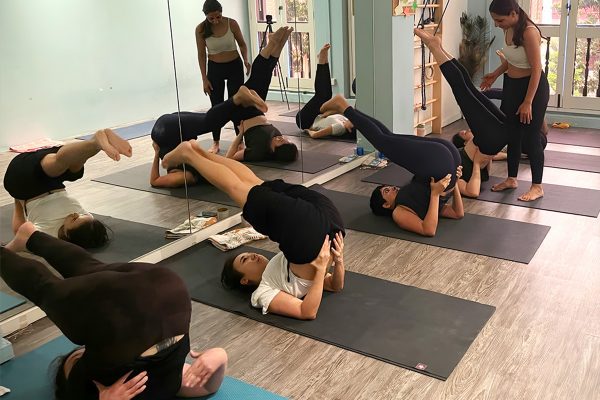
When you turn your world upside down with yoga inversions, you invite balance and harmony into every layer of your being—body, mind, heart, and prana. Here’s how this sacred practice supports you:
⭐ Better blood flow – Turning upside down sends fresh blood to your brain and heart. It clears the mind, sharpens focus, and gives your system a natural boost.
⭐ Less strain on the spine – Inversions give your spine a break from gravity. They gently stretch and release the back, easing tension and helping with long-term spinal health.
⭐ Stronger core and upper body – Headstands, handstands, forearm balances—they all light up the arms, shoulders, and core. The more you practice, the more strength and control you build.
⭐ More flexibility – Inversions stretch the back of the legs, the hips, and the shoulders. That extra range of motion helps the rest of your practice feel smoother and more open.
⭐ Clearer mind – Going upside down shifts your mental state. It quiets the noise, brings you into the moment, and helps cut through stress and anxious thoughts.
⭐ More energy and better mood – Better circulation means more oxygen reaching your body. It lifts your mood, bringing a sense of lightness within. You feel refreshed, your energy flowing freely once more.
⭐ Boost to the lymphatic system – When you go upside down in an inversion, you help your lymph flow more freely. The lymph carries waste out of the body and supports your natural way of cleansing. Let gravity guide the movement, and the body begins to renew from within.
⭐ Deeper connection – Inversions help move prana and activate the sahasrara chakra, or crown. This opens up space for deeper awareness, presence, and a stronger connection during meditation.
Inversions are more than just a pose. They’re a way to reset—from the inside out. Add inversion yoga to your yoga practice and you might notice strength, softness, and clarity showing up far beyond the mat.
Are Yoga Inversions Right For You?
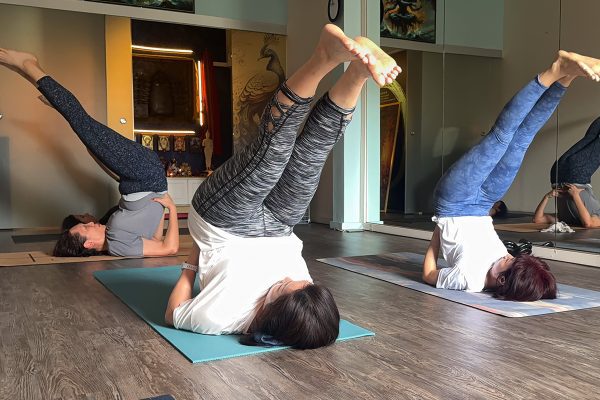
Inversions are interesting and they look exciting. They challenge your strength, balance, and push you to go against gravity. Is it truly wise to dive straight into these practices? Are they reserved for seasoned yogis, or can anyone explore them?
Beginners
Before getting into inversion yoga, check where your practice stands. If you’re still new to yoga, build a solid foundation first by mastering the basics. Spend time on poses that boost balance, flexibility, and strength. Jumping into tough poses like headstands or shoulder stands too soon might lead to setbacks and injuries.
Start with easy poses like downward dog and planks. They build arm strength, core power, and confidence. As your practice grows, you will eventually feel ready and confident enough to try more advanced yoga techniques like inversions. Remember, yoga is about progress, not perfection.
With Prior Yoga Experience
As your practice deepens, you may feel called to explore inversions. These poses can lift your energy, but always remember to stay steady and grounded in your foundation.
Even with experience in yoga, a teacher’s presence remains invaluable. They do not merely lead you; they gently guide you, refining your form and offering small adjustments. Through these, they show you simple ways to keep your practice safe. For those inspired to become that guiding presence for others, our yoga teacher training programme Singapore trains you to teach inversions and all foundational practices safely and authentically.
Learn Inversions the Right Way
Inversions are a powerful and sacred aspect of yoga, but they must never be rushed. Like any true āsana, they call for patience, steady preparation, and a full presence in the moment.
Before you turn your world upside down, take time to build a steady base. Your core, shoulders, and wrists are your true support in this journey. Strengthen them mindfully, and just as importantly—learn to listen deeply to your body. Awareness is what keeps us safe and steady, both on and off the mat.
When you begin your yoga journey, embrace the simplicity of the basics. Build your strength with patience, welcoming balance into your body over time. Let inversions come when your practice feels grounded and flowing, not rushed. Even when your practice is seasoned, returning to the basics and staying open to guidance helps the journey deepen and unfold with grace.
Turn Your World Upside Down and Reset
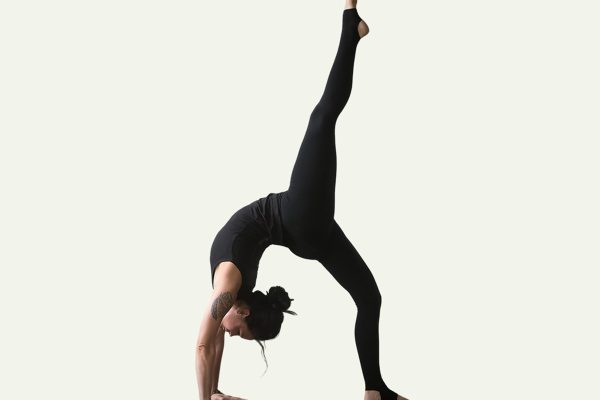
Inversions don’t just flip your body; they flip your view of the world. They change how you feel and move through life. Going upside down is more than just balance or strength. It’s about trust, letting go, and seeing things in a whole new way. That change lingers, even after you leave the mat.
When uncertainty arises about where to begin, this is the perfect place to start. Step into a guided inversion class or a yoga inversion workshop. With the support of an experienced yoga instructor, you will gently flow into each pose, discovering balance even while inverted. Approach each moment with an open heart and a curious spirit. Lay down your mat, breathe deeply, and together, you will begin to turn your world around.
Frequently Asked Questions
What qualifies as an inversion?
In yoga, an inversion is any pose where your heart is positioned higher than your head. While most people think of handstands, this category also includes more accessible postures like Downward-Facing Dog, Bridge Pose, or even a simple Standing Forward Fold.
Are inversions necessary in yoga?
They aren’t strictly “necessary,” but they are highly beneficial for changing your perspective and improving circulation. You can have a complete and effective yoga practice using only foundational Hatha poses if being upside down doesn’t suit your current health or comfort level.
Do you need strength before inversions?
Yes, especially core and shoulder stability. Before attempting “full” inversions like Headstands, you need the functional strength to support your weight without collapsing into your neck or lower back. Poses like Plank and Dolphin are excellent for building this foundation.
How long does it take to learn inversions?
Basic inversions like Downward Dog can be learned in your first class, but “peak” poses like Handstands often take 6 months to several years of consistent practice. It depends entirely on your existing upper-body strength, core stability, and fear threshold.
Are inversions safe during pregnancy?
If you had a consistent inversion practice before pregnancy, you may continue with modifications; however, it is generally not the time to start learning them. As your center of gravity shifts, the risk of falling increases, so most instructors recommend grounded alternatives like “Legs Up the Wall.”
Can inversions cause injury?
If done with poor alignment or rushed before the body is ready, they can strain the neck, wrists, or lower back. It is critical to learn the “exit strategy” (how to fall safely) and build proper shoulder engagement to protect the delicate cervical spine.
How to prepare for yoga inversions?
Focus on “closed chain” strength exercises like Forearm Planks and Downward Dog holds. Strengthening the serratus anterior (the muscles along your ribs) and the deep core will provide the “lift” needed to get your hips over your shoulders safely.
How to improve balance for inversions?
Balance starts with your “Drishti” (focused gaze) and hand placement. Spreading your fingers wide and gripping the mat like a claw—combined with core “hollowing” movements—creates the stability required to hold your center of gravity once you’re upside down.
Is Downward Dog considered an inversion?
Yes, it is often called the “gateway inversion” because your head is below your heart. It provides many of the circulatory and mental benefits of advanced inversions while keeping both your hands and feet safely on the ground.
Which inversion is easiest for beginners?
Viparita Karani (Legs Up the Wall) is the easiest and most restorative inversion. For those looking for something more active, Adho Mukha Svanasana (Downward-Facing Dog) is the standard starting point in any Hatha or Fusion class.
Why do inversions reduce stress?
Inversions flip the script on your nervous system by stimulating the baroreceptors in the neck, which signal the brain to lower blood pressure and heart rate. This triggers a shift into the parasympathetic “rest and digest” mode, providing an almost instant sense of calm.
Do inversions improve focus?
Yes, because being upside down requires absolute presence; you cannot daydream while balancing on your head. The increased blood flow to the brain, combined with the intense concentration required, acts as a “mental reset” that sharpens clarity and focus.
Do inversions really improve circulation?
Scientifically, they assist with “venous return,” using gravity to help blood from the lower body travel back to the heart. This reduces pressure on the veins in the legs and improves lymphatic drainage, which helps the body process toxins more efficiently.