
Bridging Body and Mind: Why Is Breathing Important in Yoga?
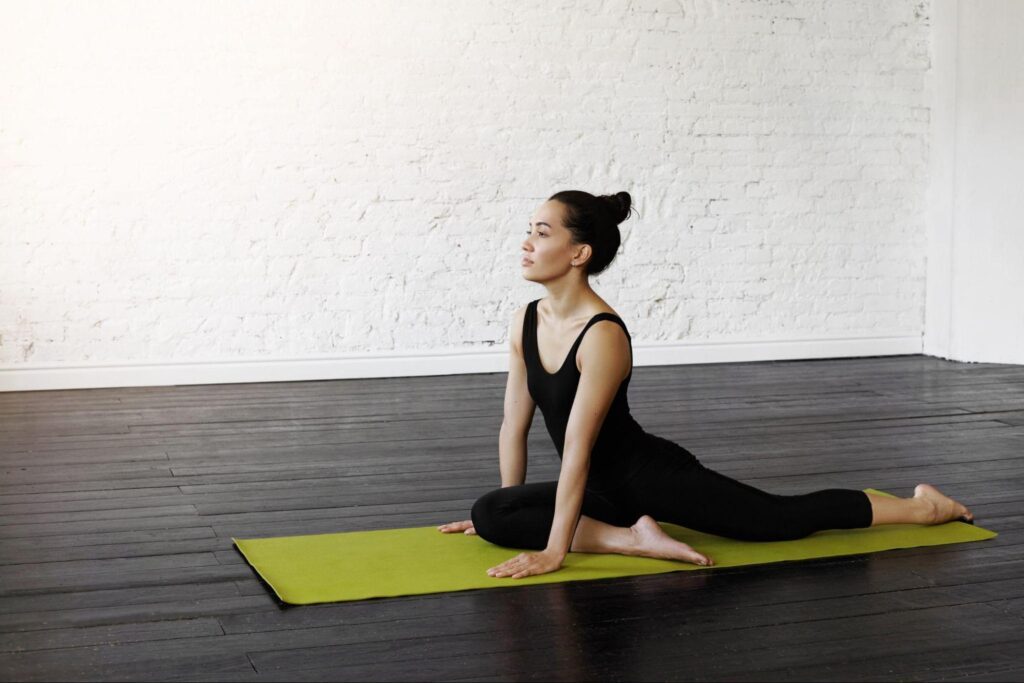
Breathing is important in yoga because the breath is the fundamental link that unifies the body and mind. It serves as the essential internal cue, ensuring that every movement is intentional and connected to the present moment, thereby integrating physical action with mental awareness.
Given the significance of this connection, we now address what the breath truly signifies within the practice:
What is the Meaning of Breathing in Yoga?
The conscious breath in yoga is known as Prāṇāyāma in Sanskrit. This word consists of two elements:
- Prāṇa: This term translates directly to vital life force or energy. It is the sustaining energy that flows through all living things.
- Ayama: This element signifies extension, expansion, or control.
Therefore, in yoga, we are not simply moving air in and out of the lungs. Instead, we are thoughtfully and deliberately manipulating the body’s vital energy. This energy work is directly linked to mental and emotional states, as the breath directly reflects the state of the mind.
When your mind is agitated or stressed, your breathing becomes short and shallow. In contrast, if your breathing is slow and rhythmic, your mind naturally calms. This principle highlights the importance of breathing in yoga for cultivating inner focus and stillness.
What Are The Benefits of Yoga Breathing?
The benefits of breathing in yoga (Prāṇāyāma) are far-reaching, extending across both physical and psychological aspects to enhance overall well-being and promote holistic health.
Physiological Benefits
Conscious breathing significantly influences the body’s mechanics. Regularly practicing Prāṇāyāma enhances overall lung capacity, ensuring you use the full volume of your lungs rather than just the upper chest.
This yoga practice promotes better oxygenation of the blood, which fuels every cell in the body more efficiently. Controlled breathing also actively helps regulate the autonomic nervous system, moving the body toward a state of rest and repair.
Psychological Benefits
From a mental perspective, Prāṇāyāma is an effective technique for developing self-awareness and control. In yoga, this practice facilitates enhanced focus by anchoring the mind to a single point of awareness.
It also supports emotional regulation by providing a pause between the stimulus and your response, allowing you to choose a response rather than react impulsively. Above all, mindful breathing provides immediate stress reduction, helping calm your mind and soothe your nervous system in real time.
The Significance of Breath Control in Your Practice
Moving from general life benefits to the specific benefits on the mat, controlled breathing significantly changes the quality and depth of your physical yoga practice.
1. Proper Breath Control Optimizes Pranic Flow
The body is mapped by subtle energy channels known as nāḍīs. Tension, whether physical or mental, blocks the free flow of prāṇa (vital energy) through these channels.
Deep, rhythmic breathing effectively clears these channels, allowing prāṇa to circulate freely throughout the body. As a result, this prevents fatigue and helps the practitioner feel energized even after a vigorous yoga class.
2. Breath Awareness Calms the Mind
Sustained, controlled breathing activates the parasympathetic nervous system, which is the system responsible for relaxation and restoration. In yoga, slow breathing signals the vagus nerve to slow the heart rate and switches the body’s mode from “fight or flight” to “rest and digest.”
Additionally, focusing entirely on the rhythm of the breath provides the mind with a strong anchor, preventing it from wandering to outside worries and thereby stabilizing your awareness in yoga. For those looking to experience this nervous system reset in a focused, guided environment, our stress relief and nervous balance workshop is specifically structured around these principles of breath-led nervous regulation.
3. Controlled Breathing Sustains Physical Endurance
Holding Āsanas places physical demands on the muscles. For optimal function, muscles require sufficient oxygen to function efficiently and prevent the build-up of lactic acid. Holding the breath, which is a common mistake for beginners, creates immediate tension and leads to rapid exhaustion.
Therefore, a steady, uninterrupted rhythm provides the necessary fuel to hold challenging yoga poses, such as Warrior II or Plank, for more extended periods.
4. Conscious Breathing Facilitates Deeper Flexibility
The breath is your guide to deepening stretches without strain during yoga. The inhale helps create space and length in the spine. The exhale, however, triggers a relaxation response in the muscles.
To safely deepen a stretch, such as a forward fold, one must move into the posture on the exhale to bypass the body’s natural stretch reflex gently. Ultimately, this technique prevents injury and increases the range of motion.
5 Breathing Techniques for Yoga
To fully harness the power of the breath in your yoga sessions, practitioners utilize specific breathing methods. These techniques are dedicated tools used to achieve different effects, ranging from calming the nervous system to energizing the entire system.
1. Diaphragmatic Breathing
Often called “Belly Breathing,” this foundational yoga breathing technique actively engages the diaphragm to draw the breath deep into the lower lobes of the lungs, utilizing their full capacity. This technique is completely grounding for the yoga practitioner, promoting stillness and allowing for maximum oxygen exchange.
2. Ujjāyī Breathing
Defined as the “Victorious Breath” or the “Ocean Breath,” Ujjāyī involves a slight constriction at the back of the throat (the glottis) to create a gentle, whispering sound on both the inhale and exhale.
This sound and friction build tapas (internal heat) and maintain focus. The consistent rhythm of Ujjāyī breathing is a necessary and fundamental element for dynamic Hatha and Vinyasa yoga practices, linking movement with breath.
3. Alternate Nostril Breathing
Known as Nāḍī Śodhana, this technique involves alternating the airflow between the right and left nostrils. The central purpose of this yoga breathing exercise is to balance the two main nāḍīs or subtle energy channels:
- Idā: This channel is associated with the lunar, calming energy, often linked to the left side of the body and mind.
- Piṅgalā: This channel is associated with the solar, energizing energy, often linked to the right side of the body and mind.
This yoga breathing technique also serves as an excellent centering and preparatory practice for meditation.
4. Three-Part Breath
Also called Dīrgha Prāṇāyāma, this dynamic breathing exercise involves sequentially filling the lungs in three distinct parts:
- The Abdomen: Air first moves into the abdomen, allowing the diaphragm to drop entirely.
- The Ribs: The inhalation then expands the rib cage laterally.
- The Chest: Finally, the breath lifts and fills the upper chest area.
This creates a smooth, wave-like motion. It is considered one of the best techniques for cultivating complete body awareness and gently expanding a yoga practitioner’s full lung capacity.
5. Kapālabhātī
Also known as the “Skull Shining Breath,” Kapālabhātī is a rapid, forceful breathing method used in yoga. It involves an active, short exhalation driven by the stomach muscles, followed by a passive, natural inhalation.
This energizing technique cleanses the respiratory system and instantly wakes the mind. However, it is important to note that this yoga practice is designed for purification (kriyā), not for relaxation.
Experience the Benefits of Conscious Breathing
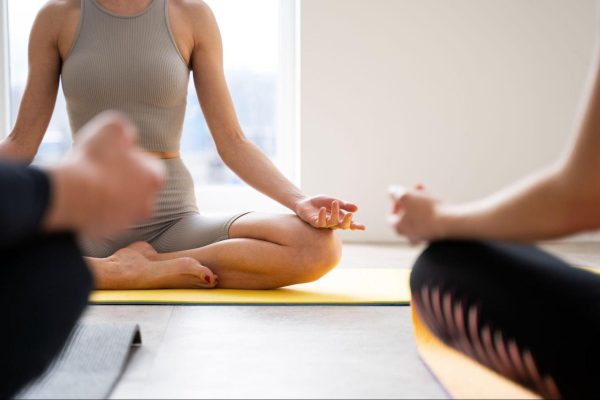
Conscious breathing is fundamental in yoga because it serves as the link between the body and mind, providing practitioners with a direct tool for influencing their internal state. It is the key to unlocking deeper flexibility, sustaining physical endurance in Āsanas, and regulating the nervous system to achieve peace.
Mastering the art of breathing involves moving beyond shallow chest breathing and learning specific Prāṇāyāmatechniques, such as Ujjāyī and Nāḍī Śodhana. At Rudrakshaa Yogashala, we place equal emphasis on the discipline of Prāṇāyāma as on the physical postures. Our basic yoga class is the ideal setting to learn and integrate these breathing methods. Whether you seek to anchor your mind during meditation classes or enhance your physical strength, our experienced instructors will guide you.
Visit our yoga studio in Singapore to book your first group session or inquire about private yoga lessons today.


