
Welcome to WordPress. This is your first post. Edit or delete it, then start writing!
How Many Styles of Yoga Are There? A Guide to Yoga
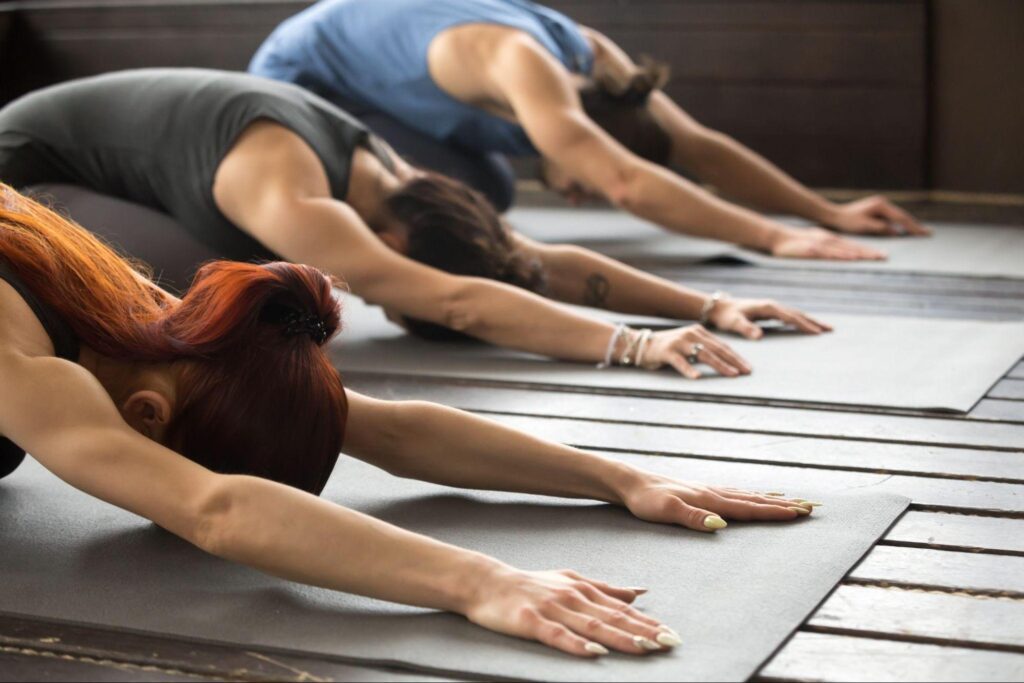
Walking into a yoga studio in Singapore and reviewing the class schedule can feel overwhelming, especially for beginners. With names like Vinyasa Flow, Hatha Fusion, and Restorative Yoga, you may wonder how many paths lead to the practice we call yoga.
Although the seven most commonly practiced yoga types ultimately lead to the same goal, which is the union of the body and the mind, the unique paths to get there vary in terms of pace, intensity, and focus.
What is Yoga?
Yoga is an ancient Indian practice that unites the mind, body, and spirit. The Sanskrit root of the word, Yuj, means “to yoke” or “to unite,” reflecting this goal of achieving wholeness and inner peace. The traditional practice is built on three components: physical postures (āsanas), specific breathing practices (prāṇāyāma), and meditation (dhyāna).
While historically a spiritual discipline, modern yoga offers profound benefits for contemporary life. Many practitioners today use it as a comprehensive discipline for cultivating physical health, mental clarity, and relieving daily stress. At Rudrakshaa Yogashala, we honor yoga’s traditional origins while focusing on its practical benefits to foster holistic well-being.
What are the Different Types of Yoga?
The different kinds of yoga practices you may encounter include:
Ashtanga Yoga
Ashtanga Yoga is widely considered one of the more physically demanding yoga style due to its inherent rigor. It is defined by a fixed sequence of poses, such as the Primary Series (Yoga Chikitsa) or the Second Series (Nadi Shodhana), that never changes, making the practice highly structured and disciplined.
- Pace: Fast-paced, continuous, and sequential.
- Intensity: High. The rapid, continuous movements naturally generate significant internal heat (tapas), which aids detoxification.
- Focus: Discipline, adherence to the fixed sequence, and linking specific movements with breath (vinyasa).
- Who is it For: Practitioners who thrive on routine, discipline, and a physically intense workout. This kind of yoga suits those who seek measurable progress by committing to the same demanding series, allowing for the refinement of awareness within each posture.
Hatha Yoga
Hatha is often described as the foundation of all physical yoga styles. The term itself means “sun” (Ha) and “moon” (Tha), representing the balancing of opposing energies in the body. In a class setting, it involves holding postures for more extended periods. This slower approach is the main difference between Hatha and Vinyasa yoga, as Hatha prioritises stillness over continuous flow.
- Pace: Slower and more deliberate compared to Vinyasa.
- Intensity: Low to Medium. The focus is on sustained muscular engagement and stability rather than cardiovascular challenge.
- Focus: Proper alignment, conscious breathing (prāṇāyāma), and refining foundational poses.
- Who is it For: Practitioners at every level. The slower pace allows beginners the time necessary to safely learn foundational alignment, while advanced students can refine their form and deepen their understanding of subtle body mechanics. Its harmonizing quality makes it excellent for effective stress relief and grounded strength.
Vinyasa Yoga
Vinyasa is popularly known as “flow” yoga. The term Vinyasa means “to place in a special way,” referring to the seamless linking of breath with movement (one breath, one movement). Unlike Ashtanga, the sequences in this yoga style vary creatively from class to class.
- Pace: Dynamic, fluid, and varied.
- Intensity: Medium to High. Sequences are designed to rapidly transition between poses, providing a cardiovascular challenge and increasing heart rate.
- Focus: Fluidity, coordination between breath and motion, and creative sequencing based on a peak pose or theme.
- Who is it For: Individuals who enjoy variety, enjoy moving to music, and prefer constant motion over stillness. It is a kind of yoga that builds heat and physical endurance.
Iyengar Yoga
Iyengar Yoga, named after its founder B.K.S. Iyengar emphasizes precision and structural alignment above all else. Its defining element is the extensive use of props, including blocks, straps, bolsters, and blankets, to help students achieve the perfect, therapeutic form regardless of physical limitation.
- Pace: Slow and methodical.
- Intensity: Low. Props minimize physical effort, but mental focus is intense.
- Focus: Meticulous detail, extended pose holds for deep tissue work, and understanding the body’s precise biomechanics for injury prevention.
- Who is it For: Detail-oriented students, individuals navigating injury recovery, or anyone seeking a comprehensive grasp of safe structural alignment. The use of props makes this yoga style highly accessible.
Kuṇḍalinī Yoga
Often called the yoga of awareness, this yoga type seeks to awaken the Kuṇḍalinī energy, believed to lie dormant at the base of the spine. It combines repetitive physical exercises (kriyas), powerful and specific breathing practices (like Breath of Fire), chanting (mantras), and meditation.
- Pace: Varies, but kriyas are typically rapid and repetitive movements or static holds.
- Intensity: Medium (Energetic). The focus is on the intensity of the breath and the internal energetic experience rather than muscle fatigue.
- Focus: Shifting and releasing internal energetic blockages to achieve greater spiritual and mental clarity.
- Who is it For: Spiritual seekers or those looking for an emotional and energetic release rather than just a physical stretch or workout.
Restorative Yoga
Restorative Yoga is defined as “active relaxation.” Students use bolsters, blankets, and blocks to support the body in just a few passive poses fully. These postures are held for extended periods (often 5 to 10 minutes each) with the ultimate goal of achieving complete release.
- Pace: Extremely slow and still.
- Intensity: Very Low (Physical). The goal is to surrender all muscular effort and let gravity support the body.
- Focus: Deep surrender, regulation of the nervous system (shifting from “fight-or-flight” to “rest-and-digest”), and therapeutic stillness.
- Who is it For: Everyone, especially those dealing with burnout, chronic stress, anxiety, or illness recovery. This type of yoga provides a balance to a fast-paced modern life by promoting deep recovery.
Yin Yoga
Yin Yoga is a complementary practice that targets the deep connective tissues, such as the fascia, ligaments, and joints, rather than the muscles. The poses in this yoga style are passive, mostly floor-based, and held for 3 to 5 minutes.
- Pace: Very slow and still.
- Intensity: Low (Physical), but poses involve intense, tolerable sensations where the connective tissues are being gently stretched.
- Focus: Improving joint mobility, increasing circulation in the joints, and cultivating inner quiet through long holds.
- Who is it For: People with chronic tightness in the hips or stiff joints, and those looking to balance out intense athletic training, such as running or weightlifting. It is a meditative practice for accepting stillness.
Explore the Different Types of Yoga Practices with Rudrakshaa Yogashala
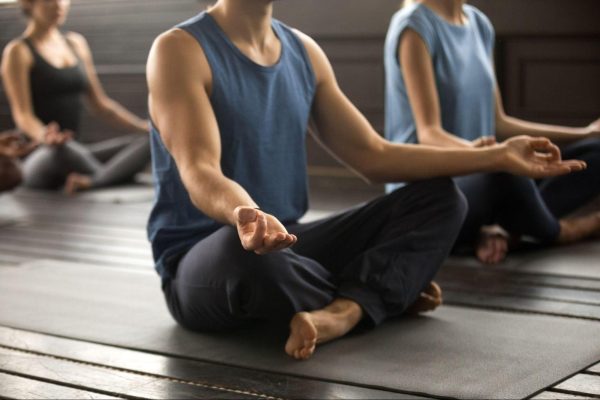
Trying different types of yoga practices helps you find the discipline that aligns with your lifestyle and wellness goals. Every style offers a different starting, from the dynamic intensity of Vinyasa to the profound stillness of Yin. Still, the key to sustained progress lies in establishing a strong foundation.
If you are new to the practice, you can explore progressive Hatha Fusion or join basic yoga classes for beginners at Rudrakshaa Yogashala. We offer small group classes to ensure you receive the personalized guidance you need to navigate these diverse yoga styles confidently. For those who wish to study multiple yoga styles in depth and build the knowledge to teach them, our 200-hour yoga teacher training Singapore offers a comprehensive, tradition-rooted path forward.
Schedule your yoga session with us and start your journey toward holistic well-being.


