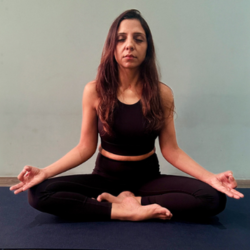


When you step onto your mat, your body may crave movement, stillness, or the space in between. Beneath it all, there is something deeper—your breath. Pranayama is the current of life moving through you. Yoga breathwork quiets the mind, softens the heart, and fills you with light. This practice is not separate from daily life—it is woven into every inhale, every exhale. Breathe with awareness, and you will find a quiet strength within—a steady presence that guides not just movement, but emotion, thought, and being.
What is Pranayama?
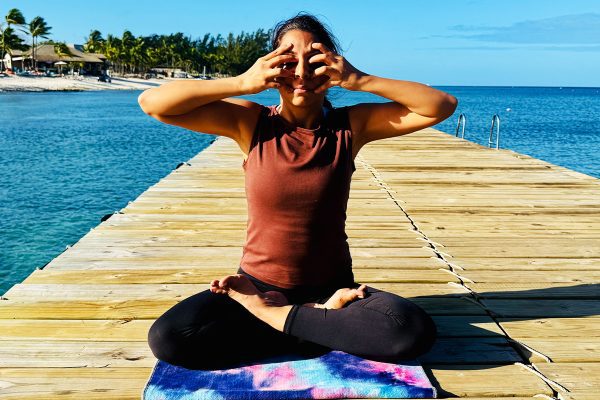
Pranayama is the practice of breathing with intention, connecting to the vital energy that flows through all things. “Prana” is life force; “ayama” is its expansion. With each breath, energy moves, shifts, transforms.
The breath is always here, steady and true. Yoga breathing clears the mind, opens the heart, and renews the spirit. When the body holds tension or the mind drifts, the breath remains—calm, constant, a path back to yourself. Through pranayama, this wisdom awakens. Each inhale restores, each exhale returns you to center.
Getting Started with Pranayama: Core Techniques
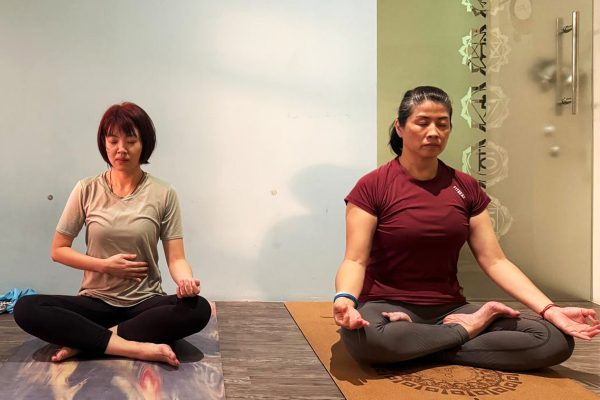
When you are new to pranayama, start with simple, steady rhythms. This is where your practice takes root, creating space for something deeper. Here are some pranayama techniques for beginners:
Nadi Shodhana (Alternate Nostril Breathing)
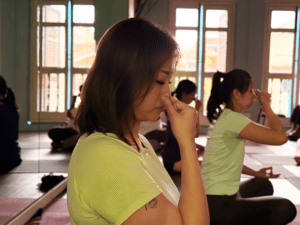
Harmony flows with each breath. Find your center. Let your spine rise with ease, light and open. Softly place your thumb on your right nostril, drawing in a smooth breath through the left. Close the left with your ring finger, and let the exhale drift out through the right. Inhale through the right, close, and release through the left. Let the breath flow like a gentle tide. Move with ease. Let each breath guide you deeper into stillness. This is one full cycle. Begin with five cycles, adding more as your breath guides you.
Ujjayi Pranayama (Victorious Breath)
Ujjayi breath is your steady tide, always there to bring you back. Draw the air in smoothly, a gentle whisper at the back of your throat. Let it flow like an ocean wave—deep, warm, unhurried. Feel it settle you, open you. Exhale through your nose, the sound like wind moving through the trees. Stay here. Let the breath hold you, steady and present.
Kapalbhati (Skull Shining Breath)
This controlled breathing clears and renews, awakening your energy. Sit with ease, spine rising naturally. Exhale softly through the nose, belly drawing in. Let the inhale flow without effort. Settle into a steady rhythm, sensing the strength in each breath. Begin with 30 to 60 seconds, trusting the practice to grow in its own time.
Deepening Your Practice: Advanced Techniques
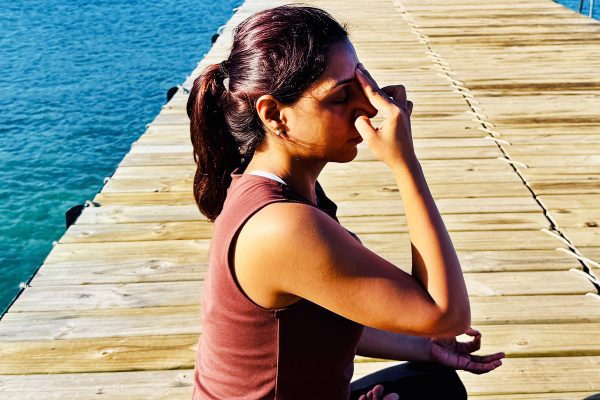
When the basic techniques feel natural, let your breath invite you deeper with pranayama advanced breathing techniques. It gently guides you inward, stirring a quiet strength that already lives within you.
Bhastrika (Bellows Breath)
Energy flows where awareness goes. With each breath, invite renewal. Sit tall, grounded yet light. Feel your spine extend, open, alive. Inhale deeply—welcome vitality. Exhale sharply through the nose—release what no longer serves you. Again, draw in life. Let it move freely within you. Let the breath be strong and rhythmic, like a fire growing brighter with each pulse. Start slow, find your flow, then gradually build. Begin with ten breaths, and allow the practice to expand naturally.
Anulom Vilom (Breath Retention)
This practice alternates nostrils and includes moments of breath retention. It soothes the mind and brings you back to center. Begin with Nadi Shodhana, the breath of balance. Inhale gently through one nostril, pause in stillness, then exhale smoothly through the other. Let each breath flow with ease. As you hold the breath, feel the strength it brings to your body and mind. With each cycle, you’ll discover a gentler, more balanced flow of breath and energy.
Surya Bhedana (Right Nostril Breathing)
This breath training wakes up your solar energy, sharpens your focus, and helps digestion. Softly press your ring finger to the left nostril. Breathe in through the right, filling your lungs with fresh energy. Pause for a moment, then release the breath through the left nostril. Let this practice awaken your mind in the morning or whenever clarity and vitality are needed.
Mastering Core Breathing
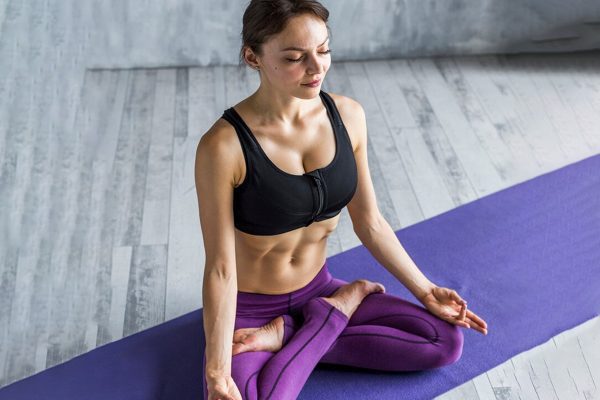
With each breath, gentle changes awaken within. Pranayama is more than a practice; it is a doorway to the self. Every inhale steadies the mind. Every exhale grounds you in the present. Breath and body move as one, flowing in harmony.
In time, effort to master these Pranayama techniques fades. Only ease remains. The more you breathe with purpose, the more it feels like a part of you. And pranayama doesn’t stay on the mat. When tension arises or you need a moment of peace, return to your breath and let calm settle in. If you’d like to experience pranayama in a structured, therapeutic environment focused on calming the nervous system, our stress relief yoga workshop Singapore brings these breathwork principles into a guided, hands-on session.
A Life Transformed by Breath
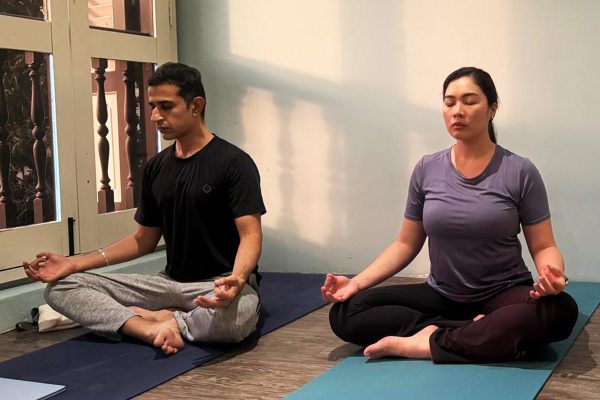
Pranayama is a journey—quiet, steady, and full of new things to uncover. It asks for nothing more than your patience and the willingness to be present. With time, its gifts unfold. As you weave breath into your daily life, you’ll feel your energy shift. Your mind will clear. A deep sense of calm will naturally arise. The breath, always present, will carry you to a place of quiet peace, steady balance, and subtle energy.
Soon, pranayama isn’t something you do anymore. It’s how you live—each breath inviting you to be more here, more awake, more at ease. Keep breathing, and you’ll notice—the simplicity of it all will change everything.
Frequently Asked Questions
What are the 4 types of pranayama?
While dozens exist, the four most common are Nadi Shodhana (Alternate Nostril), Ujjayi (Victorious Breath), Bhastrika (Bellows Breath), and Sheetali (Cooling Breath). Each serves a different purpose, from balancing energy and building heat to cooling the body and calming the mind.
Why is pranayama important?
Pranayama is vital because it directly regulates the autonomic nervous system, moving the body from a “stress” state to a “recovery” state. It improves lung capacity, increases oxygen delivery to the brain, and acts as a bridge to deeper meditation by quieting mental chatter.
Can beginners do pranayama daily?
Yes, beginners can and should practice gentle pranayama daily to build respiratory health and stress resilience. Starting with just five minutes of conscious breathing each morning helps establish a calm baseline for the rest of the day.
What is the easiest pranayama?
The easiest and most accessible form is Diaphragmatic Breathing (Belly Breathing). It involves simply placing a hand on your stomach and ensuring it rises on the inhale and falls on the exhale, making it a perfect entry point for anyone to reduce stress instantly.
What are the mistakes in alternate nostril breathing?
Common mistakes include pressing the nostrils too hard, shrugging the shoulders, and rushing the breath. To get the full benefit, keep your touch light, your spine tall, and ensure each inhale and exhale is of equal length and completely silent.
Is Kapalbhati safe for everyone?
No, Kapalbhati is a powerful, forceful practice that is not suitable for everyone. It should be avoided by those with high blood pressure, heart disease, hernia, or gastric ulcers, and it is generally not recommended during pregnancy or menstruation.
Can pranayama be harmful?
It can be harmful if practiced with force or without proper guidance, as aggressive breath retention or hyperventilation can strain the heart and nervous system. Always listen to your body; if you feel dizzy, anxious, or gasping for air, stop immediately and return to natural breathing.