

In yogic tradition, the sun is seen as the giver of life and energy that sustains the world around us. Surya Namaskar, or Sun Salutation, was created as a mindful way to honour this source of energy while awakening the body from within. More than a mere preparatory stretch, it is a complete Sadhana. It is a flowing ritual that reconnects breath, movement, and awareness while revitalizing the entire system.
This classical sequence of twelve asanas, weaving together cardiovascular movement, muscular strength, and spinal flexibility in one continuous flow. As the body rises, folds, and expands with the breath, the practice begins to feel like a moving meditation. Over time, Surya Namaskar becomes a steady anchor, helping you recharge your body, restore mobility, and build a connection to your practice.
What Are Sun Salutations?
Surya Namaskar, at its core, is a continuous flow of twelve intentional postures, each linked directly to the breath. Every inhale creates expansion. Every exhale supports folding or grounding. This steady rhythm allows the body to move as one connected system rather than isolated poses.
A traditional round begins by stepping one leg back, followed by another round beginning with the opposite leg. Together, these form one complete cycle that supports symmetry and full-body engagement. While Sun Salutations can be practiced at different times, they are traditionally performed at sunrise since moving alongside the early light supports the body’s natural biological clock and offers a steady, calm entry into the day.
What Are the Benefits of Doing Sun Salutations?
As this flowing practice becomes familiar, its influence and benefits begin to extend beyond movement alone.
1. Ignites Your Inner Agni and Prepares the Body for Movement
In yogic philosophy, Agni represents the inner fire that supports vitality, digestion, and transformation. Sun Salutations gradually awaken this internal energy through continuous, full-body transitions. As the sequence unfolds, circulation increases and blood vessels expand, allowing oxygen to travel more freely through muscles and joints.
This steady activation signals the body that it is ready for movement. Muscles begin to lengthen. Joints become more responsive. The body shifts from stiffness toward fluidity.
2. Supports Heart and Lung Endurance Through Flowing Movement
Surya Namaskar also carries a strong cardiovascular element when performed at a steady, continuous pace. As the body moves through the sequence, the heart begins to work more efficiently while breathing naturally deepens. This supports improved lung capacity and encourages better oxygen circulation throughout the body.
Unlike high-impact exercises, Sun Salutations build endurance through controlled transitions and breath awareness. When practiced with mindful speed and proper alignment, the sequence strengthens cardiovascular health while maintaining joint stability. This creates a balanced form of aerobic conditioning that energizes the body while keeping the mind centered and calm.
3. Encourages Spinal Mobility and Expands Overall Flexibility
As Sun Salutations continue, the body moves through alternating spinal extensions and forward folds. Backward-opening postures such as Cobra encourage the chest to broaden and the spine to lengthen, while forward folds invite the back to find release and soften. This constant shifting between opening and folding supports mobility across the entire spinal column.
With repeated practice, the hamstrings, hip flexors, and shoulders begin to lengthen naturally. At the same time, joint movement encourages the circulation of synovial fluid, which supports smoother motion and reduces stiffness. Over time, improved spinal mobility contributes to stronger posture, reduced lower back tension, and a body that feels lighter and more responsive during daily activities.
4. Builds Balanced Strength and Functional Muscle Endurance
Sun Salutations also develop strength through sustained bodyweight engagement. Postures such as Chaturanga Dandasana activate the triceps, shoulders, and core, encouraging stability through the upper body. Transitioning through Ashwa Sanchalanasana strengthens the thighs and glutes while supporting hip stability and grounding through the legs.
Rather than focusing on external muscle bulk, this sequence builds strength as multiple muscle groups work together.
5. Encourages the Body’s Natural Cleansing Process
Unlike blood circulation, which is driven by the heart, the lymphatic system depends on physical movement to circulate effectively. The repeated folding, stepping, and lengthening of the body helps stimulate this internal flow.
This process supports the body’s ability to remove metabolic waste while helping white blood cells travel throughout the system to respond to infections. With consistent practice, this steady circulation supports overall wellness and helps the body maintain stronger internal balance.
6. Encourages You to Return to the Mat
The sequence of the Surya Namaskar unfolds in a repetitive order, offering a familiar pathway that the body will eventually begin to remember as one posture leads naturally into the next.
Over time, this familiarity becomes reassuring. Even on slower mornings or busy days, a few rounds can become a dependable ritual that invites you back to yourself.
7. Weaves Breath and Movement into One Experience
As mentioned, within Surya Namaskar, every posture is guided by the breath. This steady coordination allows every movement to feel guided from within. And as awareness settles into the breath, attention naturally stays present. The mind has less space to wander toward external distractions. Gradually, the sequence begins to feel like meditation in motion. The body moves. The breath leads. Awareness remains centred.
8. Helps Release Stress and Emotional Tension
As breath deepens and movement continues, the body begins to slow the heart rate and settle internal tension with every repetition of the Sun Salutation. This transition supports the body’s natural recovery response.
9. Awakens Natural Energy Within the Body
As the sequence unfolds, Surya Namaskar begins to awaken energy that already lives within you. Rather than relying on external stimulants, the practice encourages prana to move freely through the spine and nervous system.
Over time, this creates a sense of clarity, leaving you feeling refreshed long after the sequence ends.
10. Cultivates Mindfulness and a Peaceful State
Traditionally, Surya Namaskar begins as an offering of gratitude to the sun, acknowledging it as a life-sustaining force. When the sequence is approached with intention, attention naturally shifts inward. The practice becomes less about completing movements and more about reconnecting with awareness.
What Happens if You Do Sun Salutations Every Day?
When daily sun salutations become part of your Sadhana, the body begins to respond with improved digestion, steadier weight balance, and skin that appears brighter through improved circulation. Mentally, the repetition creates clarity and emotional steadiness that supports focus throughout the day. In traditional practice, some yogis even perform 108 Sun Salutations during solstices as a symbolic cleansing ritual that honors renewal and transformation.
Step-by-Step Guide to the 12 Poses
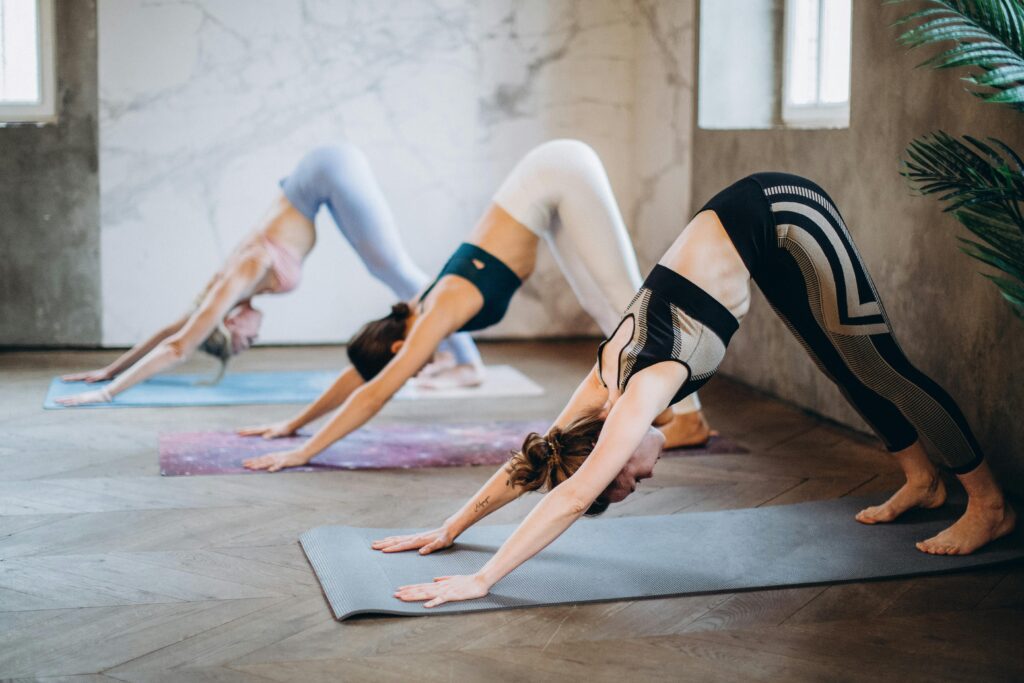
Each round of Surya Namaskar follows a sacred sequence that moves with the breath. The order remains constant, making it easy to return to as a grounding reference during practice.
- Pranamasana (Prayer Pose): Exhale. Hands join at the heart. Center your awareness.
- Hasta Uttanasana (Raised Arms Pose): Inhale. Lift arms overhead and lengthen through the spine.
- Padahastasana (Standing Forward Fold): Exhale. Fold forward and soften through the back body.
- Ashwa Sanchalanasana (Equestrian Pose): Inhale. Step one leg back. Open the chest and lift the gaze.
- Chaturanga Dandasana (Four Limbed Staff Pose): Exhale. Step back into the plank and lower with control.
- Ashtanga Namaskar (Eight Limbed Pose): Exhale. Lower knees, chest, and chin toward the mat.
- Bhujangasana (Cobra Pose): Inhale. Lift the chest and broaden through the heart.
- Adho Mukha Svanasana (Downward Facing Dog): Exhale. Lift the hips and lengthen the spine.
- Ashwa Sanchalanasana (Equestrian Pose): Inhale. Step the opposite leg forward and open the chest.
- Padahastasana (Standing Forward Fold): Exhale. Bring both feet together and fold inward.
- Hasta Uttanasana (Raised Arms Pose): Inhale. Rise upward and extend through the spine.
- Pranamasana (Prayer Pose): Exhale. Return hands to the heart and settle into awareness.
Energize Your Life at Rudrakshaa Yogashala
Surya Namaskar is often introduced as a foundational sequence, yet its true depth reveals itself through attentive practice and proper alignment. The body learns gradually. When movements are repeated without awareness, the shoulders and lower back can carry unnecessary tension. Learning within a Yoga Basics or Hatha Fusion class allows each posture to unfold, helping you understand how the benefits of Sun Salutations develop sustainably over time.
At Rudrakshaa Yogashala, teachings are shared with respect for classical tradition while supporting modern practitioners on their individual journeys. If you feel ready to explore further, we invite you to experience our yoga classes in Singapore. If you are new to the mat, our basic yoga classes for beginners offer a nurturing introduction.
Frequently Asked Questions
How many steps are there in Surya Namaskar?
A traditional Surya Namaskar (Hatha style) consists of 12 distinct steps or positions that flow into one another. When performed on both the right and left sides, it completes one full round, totaling 24 movements that engage the entire body.
What are the benefits of the sun salutation?
It acts as a complete full-body workout, improving cardiovascular health, flexibility, and digestive function. Beyond the physical, it synchronizes movement with breath to sharpen mental focus and balance the body’s energy centers (chakras).
How long should beginners do Surya Namaskar?
Beginners should start with 4 to 6 rounds (roughly 10–15 minutes), focusing on slow, deliberate alignment. As your stamina and muscle memory improve, you can gradually increase the pace or the number of rounds to deepen the challenge.
Can beginners lose weight with Surya Namaskar?
Absolutely. Because it engages every major muscle group and raises the heart rate, it is a highly effective calorie-burner. It also helps regulate the thyroid gland and metabolism, which are key factors in sustainable, long-term weight loss.
How fast does Surya Namaskar reduce weight?
If practiced at a brisk pace (12–24 rounds daily), you can notice changes in muscle tone and energy within 4 weeks. Significant weight loss typically becomes visible after 8 to 12 weeks when paired with a balanced diet.
Can Surya Namaskar replace the gym?
For those seeking a lean, flexible, and functionally strong physique, Surya Namaskar is a viable alternative to the gym. While it won’t provide the bulk of heavy weightlifting, it offers superior cardiovascular conditioning and “relative strength” for daily life.
Is 12 Surya Namaskar enough?
Doing 12 rounds daily is an excellent maintenance goal that provides significant health benefits. It is enough to keep your joints mobile, your heart healthy, and your stress levels managed, making it a perfect routine for a busy Singapore lifestyle.
What happens after 30 days of Surya Namaskar?
After 30 days, you will likely experience increased core strength, significantly improved flexibility in your hamstrings and spine, and better respiratory capacity. Mentally, most practitioners report a noticeable reduction in daily anxiety and a more disciplined morning routine.
Should I do Surya Namaskar in the morning or evening?
The morning (ideally at sunrise) is traditional as it energizes the body and sets a focused tone for the day. However, doing it in the evening can help release the physical tension and mental stress accumulated during a long workday.
How long should a Surya Namaskar session be?
A session can range from 10 minutes for a quick energy boost to 30 minutes for a full cardiovascular workout. The duration depends on your pace; slow rounds focus on strength and stretching, while faster rounds focus on fat-burning and stamina.