
Modern life doesn’t leave much room to breathe. Demanding work schedules, relentless digital noise, and personal responsibilities stack up quickly, and for many people, truly slowing down feels like a luxury they can’t afford. Over time, that relentless pace takes a toll. Chronic stress sets in, emotional fatigue builds, and eventually, burnout follows.
Burnout isn’t just feeling tired at the end of a long week. It’s a deeper kind of exhaustion, mental, emotional, and physical, and that builds up over months of sustained pressure. People experiencing it often struggle to concentrate, feel irritable without knowing why, sleep poorly, and carry a persistent sense of overwhelm that doesn’t lift even after rest.
Short breaks help, but they rarely go far enough. When you return to the same environment, the same triggers, and the same routines, the relief tends to fade quickly. Stepping away more completely is often what’s needed, and that’s where a yoga retreat makes a real difference.
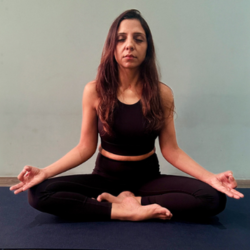
A well-designed retreat creates space for genuine recovery. Through mindful movement, breathwork, meditation, and distance from everyday pressures, participants get the chance to actually reset rather than simply pause. For those exploring stress relief yoga Singapore programs, a retreat often provides the kind of deep, immersive restoration that regular classes alone can’t replicate.
Does Yoga Really Work for Stress?
Yoga has been used for centuries to balance the body and mind, and modern research has caught up with what traditional practitioners have always known: it genuinely works for stress.
Here’s what happens physiologically. Stress activates the sympathetic nervous system, the body’s fight-or-flight mechanism, raising the heart rate, tightening muscles, and putting the brain on high alert. Yoga does the opposite. Through slow breathing, gentle movement, and focused attention, it activates the parasympathetic nervous system, the rest-and-digest response, which slows the heart rate, releases muscular tension, and quiets mental activity.
Consistent yoga to reduce stress and anxiety also helps regulate cortisol, the body’s primary stress hormone. When cortisol comes down, sleep improves, mood stabilizes, and emotional resilience strengthens. People who attend stress relief yoga Singapore classes regularly often notice this shift playing out in how they handle daily challenges, with more steadiness and less reactivity.
How Does a Yoga Retreat Help You Recover from Stress and Burnout?
Regular yoga classes offer real benefits, but a retreat takes the experience to another level. It removes many of the external conditions that drive stress in the first place, giving the body and mind room to actually heal.
A Break from Daily Pressures
Most people never fully disconnect. Even during downtime, emails arrive, notifications pull attention, and the mental load of work and responsibilities lingers. A yoga retreat creates genuine distance from all of that. Without the usual triggers competing for attention, the nervous system can slow down and begin recovering naturally. That change in environment alone deepens the benefits of yoga to reduce stress and anxiety in ways that a single weekly class simply cannot.
Structured Wellness Practices
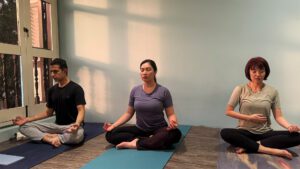
Retreats typically run on a rhythm of morning yoga to wake and energize the body, evening practices to wind down and reflect, meditation and breathwork woven throughout, and mindful meals in between. That structure isn’t rigid; it’s restorative. Over several days, the body starts re-establishing a healthier internal rhythm, and the cumulative effect of these practices builds noticeably. Some retreats also incorporate sound healing as part of the wind-down practice, using frequency and vibration to deepen the relaxation response. For those already familiar with stress relief yoga Singapore routines, a retreat extends and deepens what’s already working.
Time for Mental Clarity
When life is overwhelming, the mind rarely gets a chance to settle enough to think clearly. A retreat offers something most people don’t give themselves: unstructured time to be simple. Meditation sessions and quiet moments create space for genuine reflection, helping participants understand what’s driving their stress and how they might respond to it differently. That kind of clarity is hard to access in the middle of daily life.
Can a Yoga Retreat Cure Burnout?
A retreat isn’t a medical treatment, and burnout that has developed over months or years won’t disappear in a weekend. But a well-structured retreat can be a genuinely powerful step toward recovery.
Healing from burnout requires both physical rest and emotional reset, and yoga retreats are specifically designed to support both. Through daily yoga to reduce stress and anxiety, participants pick up practical tools, breathing techniques, relaxation practices, and simple sequences that they can carry home and continue using when stress rises again.
For people who already attend stress relief yoga Singapore classes, a retreat offers something additional: a chance to break from ingrained habits, reconnect with healthier routines, and approach their regular practice with renewed intention.
Is a Yoga Retreat Effective for Stress Relief?
For most people, yes, and significantly so.
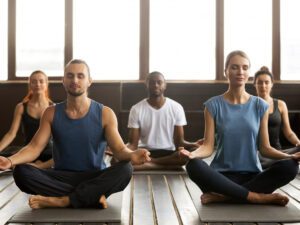
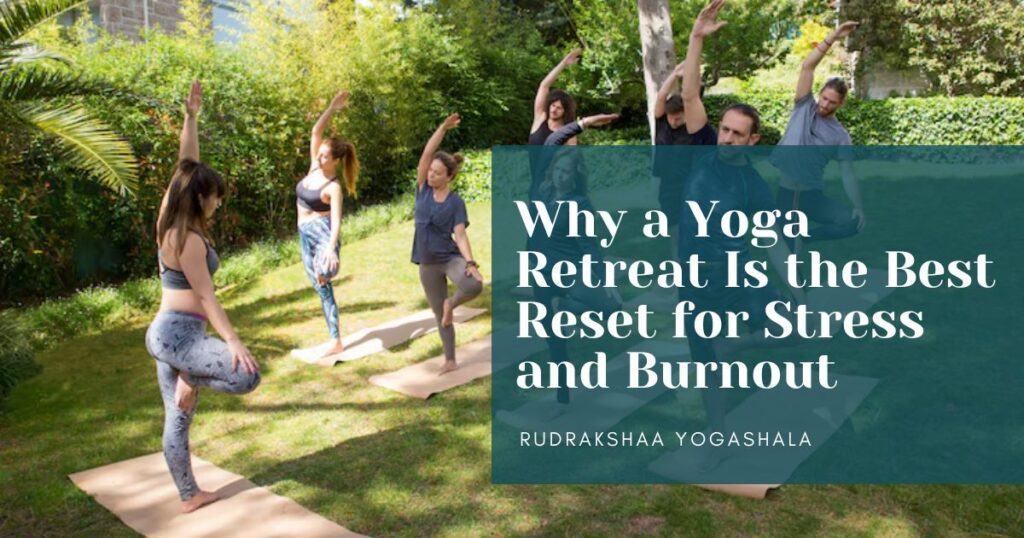
Part of what makes retreats so effective is the environment. Participants are surrounded by people who share the same intention of feeling better, guided by experienced instructors, and often situated in peaceful natural settings that reduce mental stimulation on their own. Nature quiets the nervous system in ways that urban environments simply don’t.
Add mindful movement, community, and consistent practice into that mix, and the results can be striking. People returning from yoga retreats commonly report better sleep, reduced anxiety, improved focus, steadier emotions, and a renewed sense of energy and motivation. These aren’t just temporary feelings; they tend to reinforce and extend the long-term benefits of stress relief yoga Singapore practices when participants return to their regular routines.
What Happens to Your Body and Mind at a Yoga Retreat?
The changes that occur during a retreat happen gradually and on multiple levels.
The Nervous System Begins to Relax
Chronic stress keeps the body in a state of low-level alertness that most people stop noticing because it becomes their baseline. Yoga practices interrupt this pattern. Through breathwork and gentle movement, the body starts activating its natural relaxation response, sometimes for the first time in months.
Muscles Release Stored Tension
Stress lives in the body as much as the mind. Tight shoulders, stiff hips, and a clenched jaw are common physical expressions of ongoing pressure. Yoga poses work directly on these areas, stretching and releasing tension that has built up over time. Consistent yoga to reduce stress and anxiety reduces chronic muscular tightness and improves how the body feels day to day.
Mental Clarity Improves
A mind that’s constantly managing responsibilities and worries has very little bandwidth left for clear thinking. Meditation and mindful breathing during a retreat help settle this mental noise, and the effect tends to show up quickly. Better focus, improved decision-making, and a greater capacity for calm under pressure are changes participants often notice within the first few days.
Emotional Balance Is Restored
Burnout tends to flatten emotional experience, leaving people feeling disconnected from themselves and others. Retreat environments, by combining movement, reflection, and genuine community, help people reconnect. As stress levels drop, emotional steadiness tends to return, and many participants leave with a sense of calm they hadn’t felt in a long time. For a deeper exploration of how yoga supports this mental shift, the relationship between yoga and cognitive function is well worth reading.
Why Yoga Retreats Create Lasting Change
A vacation rests the body. A yoga retreat does something more intentional; it focuses specifically on healing and building healthier habits that outlast the experience itself.
People come home from retreats with more than relaxation. They come back with practical tools, renewed perspective, and a clearer sense of what supports their wellbeing. Better sleep habits, healthier daily choices, and a more consistent approach to managing stress are common outcomes.
For those already attending stress relief yoga Singapore classes, a retreat can serve as a meaningful reset point, deepening physical and emotional resilience and giving regular practice a renewed sense of purpose.
Does Hot Yoga Regulate the Nervous System?
Hot yoga has its benefits — improved circulation, greater flexibility, a good sweat — but it isn’t always the right fit for nervous system regulation.
For people dealing with high anxiety or nervous system fatigue, a heated environment can feel more stimulating than soothing. In those cases, slower and cooler styles like Hatha, Yin, or Restorative yoga tend to be more effective for building yoga for nervous balance.
Conclusion
Stress and burnout are genuinely common in today’s world, and they deserve more than a weekend off to recover from. Real restoration takes intentional effort, the right environment, and practices designed to work on multiple levels at once.
Yoga retreats offer all of that. Through mindful movement, meditation, breathwork, and time away from everyday demands, they create the conditions for the nervous system to reset and for genuine balance to return.
For anyone already exploring stress relief yoga Singapore programs, a retreat is a natural next step, one that deepens the practice, accelerates recovery, and builds the kind of lasting resilience that carries forward long after the retreat ends.
If you’re ready to take that step, check the schedule to find a class that helps you start building that foundation today.
Frequently Asked Questions
How long should a yoga retreat be for stress recovery?
Retreats range from weekend programs to week-long experiences, and even a shorter retreat can produce meaningful benefits, particularly when it’s part of a broader commitment to stress relief yoga Singapore practices. Longer retreats simply allow more time for the nervous system to fully unwind.
Do you need prior yoga experience to attend a yoga retreat?
Not at all. Most retreats are designed to welcome participants at all levels, with gentle sessions that introduce yoga to reduce stress and anxiety techniques in an accessible, unhurried way. Retreats range from weekend programs to week-long experiences, and even a shorter retreat can produce meaningful benefits, particularly when it’s part of a broader commitment to stress relief yoga Singapore practices. Longer retreats simply allow more time for the nervous system to fully unwind.
What should you expect during a yoga retreat?
Expect a structured but relaxed daily rhythm that typically includes yoga sessions, meditation, breathing practices, and time for rest. The goal is to reinforce the benefits of stress relief yoga Singapore routines in a more immersive, supportive setting.
Are yoga retreats only about yoga practice?
Yoga is usually the core of the experience. Still, most retreats incorporate other wellness elements too, such as mindfulness sessions, nature walks, healthy eating, and space for quiet reflection, all of which support overall wellbeing.
Can a yoga retreat help prevent burnout in the future?
Yes. Learning practical yoga techniques to reduce stress and anxiety during a retreat gives participants tools they can continue using in daily life, making it easier to manage pressure before it accumulates into burnout.