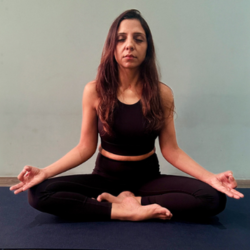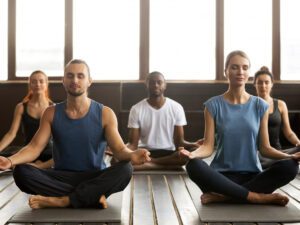

Yoga has come a long way from its origins. What began thousands of years ago as a deeply spiritual discipline aimed at self-realization has gradually transformed into a global wellness practice embraced by millions. Today, yoga studios offer everything from intense power flows to gentle restorative sessions, all under the same broad umbrella. These practices carry real value, but they often look quite different from what yoga was originally intended to be.
Understanding where traditional and modern yoga diverge can help practitioners make a more informed choice about the kind of practice they want to build. Some people come to yoga purely for physical fitness, and that’s a perfectly valid starting point. Others are drawn toward something deeper, seeking mental clarity, inner awareness, or a more grounded way of living. For those in the latter group, exploring a traditional yoga studio in Singapore can open up a dimension of the practice that goes well beyond stretching and movement.
What Is Traditional Yoga Practice?
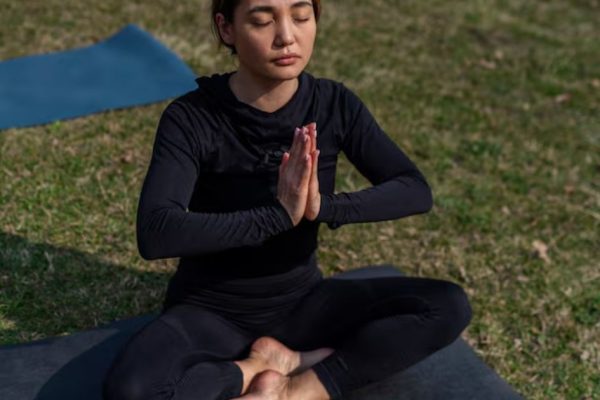
Traditional yoga is rooted in ancient Indian philosophy and spiritual teachings that stretch back thousands of years. Classical texts like the Yoga Sutras of Patanjali laid out a comprehensive system, not just for moving the body, but for understanding the mind and cultivating a meaningful way of life.
In its original form, yoga encompasses several interconnected practices: breath control (pranayama), meditation and mindfulness, ethical principles for daily living, physical postures (asanas), and ongoing self-inquiry and inner development. Physical poses are just one thread in this larger fabric. The true aim of traditional yoga is a sustained harmony between body, mind, and spirit.
Practicing at a traditional yoga studio in Singapore typically reflects this broader approach. Classes tend to move more slowly and deliberately, with attention given to proper breathing, alignment, and the philosophy that gives each practice its meaning. Students are encouraged to think of yoga not as a workout but as a lifelong path of self-development.
What Are the 4 Traditional Yogas?
Ancient yogic teachings describe several paths leading toward spiritual growth and inner awareness. Four of these are most widely recognized.
- Karma Yoga is the path of selfless action. Rather than acting out of personal gain or attachment to outcomes, practitioners focus on contributing positively to the world and serving others without expectation of reward.
- Bhakti Yoga is the path of devotion. Through chanting, prayer, and the cultivation of gratitude and love, practitioners work to develop compassion and a deeper sense of connection to something beyond themselves.
- Jnana Yoga is the path of knowledge and wisdom. It centers on self-inquiry, philosophical reflection, and a sustained effort to understand the true nature of reality, often through the study of sacred texts and deep contemplation.
- Raja Yoga is sometimes called the royal path. It focuses on mental discipline and meditation, drawing on the eight-limbed system outlined in the Yoga Sutras. These eight limbs cover everything from ethical guidelines and breath control to concentration and meditative absorption.
Many teachers at a traditional yoga studio in Singapore weave elements from all four paths into their teaching, giving students both a physical and philosophical foundation to grow from.
What Is the Concept of Modern Yoga?
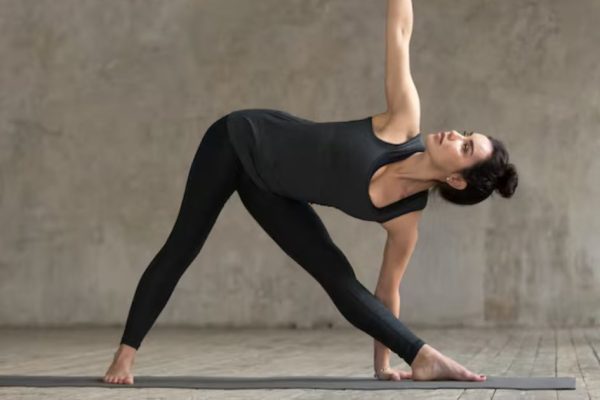
Modern yoga is what most people encounter when they first walk into a studio today. It places the bulk of its emphasis on physical postures, flexibility, strength, and overall fitness, often structured around movement sequences designed to challenge and condition the body.
Over the past century, yoga has been progressively adapted to suit busy, contemporary lifestyles. Breathwork and mindfulness still appear in many classes, but the philosophical and spiritual dimensions are often less prominent or absent entirely. That’s not a criticism, it’s simply a reflection of what most people are looking for when they sign up for a yoga class.
Modern yoga offers genuine benefits: improved flexibility, better posture, stress relief, increased strength, and greater body awareness. For many people, yoga classes in Singapore that focus on movement and physical wellbeing are the perfect entry point. For some, they eventually become a doorway into deeper yogic study.
Who Is the Father of Modern Yoga?
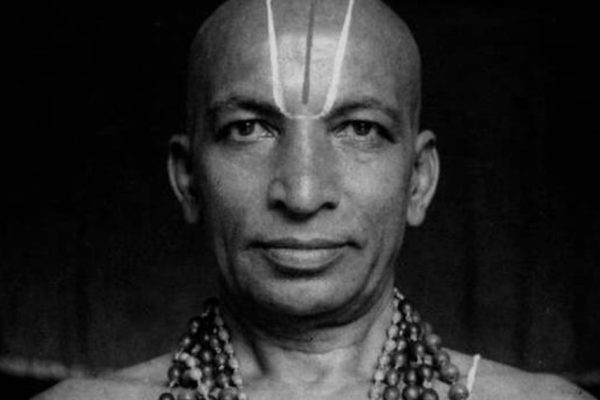
Tirumalai Krishnamacharya is widely regarded as the father of modern yoga. His influence on how yoga is taught and practiced today is difficult to overstate. He played a central role in adapting classical yoga teachings for contemporary students. He trained some of the most influential yoga teachers of the twentieth century, including B.K.S. Iyengar, Pattabhi Jois, and Indra Devi.
Through these students, yoga spread internationally and gained recognition as both a physical and mental discipline. The structured asana systems and teaching methods that now shape yoga classes around the world, including yoga classes in Singapore, largely trace back to Krishnamacharya’s work.
When Did Modern Yoga Begin?
Modern yoga began taking shape in the late nineteenth and early twentieth centuries, as Indian yoga masters started sharing their teachings with Western audiences. As it traveled, yoga absorbed influences from physical culture, gymnastics, and therapeutic movement, gradually shifting its center of gravity toward the body.
By the mid-twentieth century, yoga had taken firm root in Europe and North America. Today, it’s practiced by hundreds of millions of people worldwide for everything from athletic performance to class structure, traditional settings typically integrate.
Despite this global evolution, many practitioners continue to seek out a traditional yoga studio in Singapore specifically because they want access to classical teachings rather than the fitness-oriented version that has become the norm elsewhere.
Key Differences Between Traditional Yoga and Modern Yoga
Both forms share the same ancient roots, but their priorities and methods differ in meaningful ways.
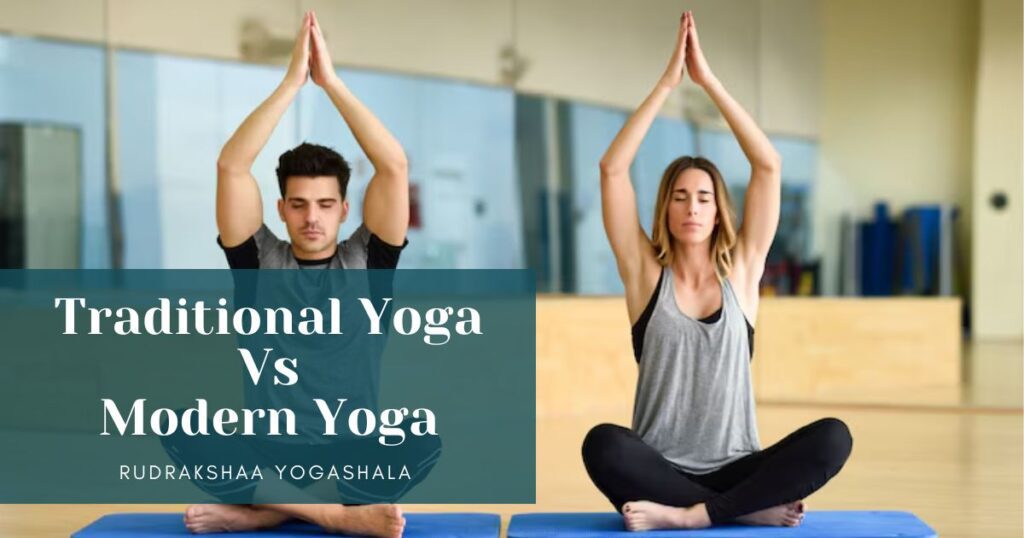
In terms of purpose, traditional yoga is oriented toward spiritual growth, self-realization, and inner transformation. Modern yoga is more commonly practiced for physical fitness, stress reduction, and general well-being.
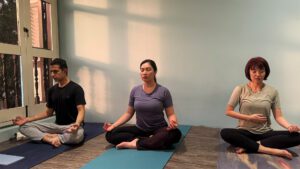
In terms of class structure, traditional settings typically integrate meditation, breathwork, philosophical discussion, and slower movement. Modern classes center on sequences of physical postures delivered in a structured, often faster-paced format.
When it comes to philosophy, traditional yoga treats yogic principles and ethics as inseparable from the physical practice. Modern yoga may touch on these ideas, but the physical component usually takes precedence.
In pace and teaching style, traditional yoga is generally taught slowly and attentively, with emphasis on breath, alignment, and awareness. Modern yoga varies considerably, from gentle restorative classes to high-intensity power yoga or fast-moving vinyasa flows.
Both approaches offer real value, and many practitioners explore yoga classes in Singapore that blend traditional wisdom with the accessibility of modern methods.
Which Style of Yoga Is Best?
That depends entirely on what you’re looking for.
If relaxation and gentle movement are the priority, restorative or Hatha yoga is a good fit. If a physical challenge is what you’re after, vinyasa or power yoga classes will deliver. But if you’re drawn to deeper self-awareness, meditation, and classical yogic teachings, the kind of practice offered at a traditional yoga studio in Singapore may feel more aligned with where you want to go.
The honest answer is that the best yoga practice is the one you do. It should help you support both your physical health and your mental clarity in a way that feels sustainable.
Choosing the Right Yoga Path for You
Traditional and modern yoga aren’t opposites. They’re different expressions of the same ancient tradition, each with something distinct to offer.
Traditional yoga brings depth, inner awareness, and a holistic framework for living. Modern yoga brings accessibility, physical conditioning, and a low barrier to entry for people new to the practice. Many practitioners find it the most rewarding journey that involves moving between both, starting with movement-based yoga classes in Singapore and gradually exploring the classical teachings that give the practice its roots.
A traditional yoga studio in Singapore often bridges this gap well. It can offer ancient wisdom alongside practical, structured guidance that students can apply in everyday life.
Conclusion
Yoga has adapted across centuries and cultures without losing its essential power. Traditional yoga preserves the philosophical and spiritual foundations of the practice. Modern yoga makes those benefits accessible to far more people, meeting them where they are physically and practically.
Understanding the difference between the two helps practitioners choose with intention rather than by default. Whether you begin with a movement-based yoga class in Singapore or step straight into classical teachings through an immersive inward journey, the practice has something meaningful to offer at every stage.
Fitness, stress relief, spiritual growth, anything you bring to the mat, yoga remains one of the more effective tools available for building balance, clarity, and genuine wellbeing in daily life. Ready to explore? View the schedule or get in touch to find the right class for where you are right now.
Frequently Asked Questions
What is the main difference between traditional yoga and modern yoga?
Traditional yoga is built around spiritual growth, meditation, ethical living, and self-inquiry. Modern yoga shifts the focus toward physical postures, fitness, and movement-based wellness.
Is modern yoga less authentic than traditional yoga?
Not necessarily. Modern yoga is an adapted form of the ancient practice, shaped to suit contemporary life. Many yoga classes in Singapore blend traditional teachings with accessible physical techniques, and both have genuine value.
Can beginners start with traditional yoga?
Absolutely. In some ways, beginning at a traditional yoga studio in Singapore can actually be an advantage, since students learn foundational breathwork, meditation, and proper posture in a structured, unhurried environment rather than jumping straight into fast-paced flows.
Does traditional yoga include physical poses?
Yes, but postures are just one piece of a much larger practice. Traditional yoga also encompasses breath control, meditation, philosophical study, and ethical guidelines for daily life.
How do I choose the right yoga class?
Start with your goals. If physical fitness and flexibility are your main focus, movement-based yoga classes in Singapore are a natural fit. If you’re looking for deeper mindfulness, self-inquiry, or a more classical approach to the practice, a traditional yoga class will likely serve you better.