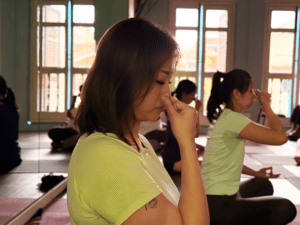


Hormones run more of a woman’s daily life than most people stop to think about. Energy, mood, sleep, metabolism, cycle regularity- it’s all connected. And when something’s off, the body doesn’t stay quiet about it. Fatigue hits differently. Moods shift without obvious cause. Sleep becomes light or restless. Cycles go unpredictable. Weight changes for no clear reason.
A lot of women start looking for answers that don’t involve immediately jumping to medication, and yoga keeps coming up. Not as a trend, but because it actually addresses several root causes at once. It brings stress down, supports the glands that produce hormones, improves circulation, and gives the nervous system a genuine chance to settle. Add breathwork and meditation into the mix, and yoga for female hormone balance stops being just a wellness buzzword and starts being something worth taking seriously.
Understanding Hormonal Imbalance in Women
Think of hormones as the body’s internal messaging system. They tell organs what to do and when, regulating metabolism, reproduction, mood, sleep cycles, and more. When those messages get disrupted, whether from too much stress, poor sleep, or life transitions like pregnancy or menopause, the whole system feels it.
Chronic stress tends to be the biggest offender. But a sedentary lifestyle, nutritional gaps, and hormonal shifts during puberty or perimenopause all contribute to it.
Yoga addresses several of these at once, which is what sets it apart from most interventions. Gentle movement, breathwork, and mindfulness all work on the nervous system and endocrine function simultaneously, without adding more physiological load, the way intense cardio can. That last part matters more than people realise. Pushing too hard can actually raise cortisol further, making yoga for hormonal balance for female health a smarter starting point than hitting the gym harder.
How to Support Female Hormonal Balance?
There’s no single fix for a hormonal imbalance. Anyone who tells you otherwise is oversimplifying. What tends to work is a combination of reduced stress, better sleep, consistent movement, and a body that isn’t running on cortisol fumes around the clock. Yoga fits that picture well.
Reducing Chronic Stress
When cortisol stays elevated for weeks or months, it starts suppressing other hormones, such as estrogen, progesterone, and thyroid hormones. The ripple effect shows up as mood instability, cycle disruption, weight changes, and poor sleep. Yoga for female hormone balance works directly on this. Slow breathing and deliberate relaxation bring the nervous system down from high alert, which gives the body the internal conditions it needs to regulate hormones properly again.
Improving Blood Circulation
Yoga postures get blood moving to the reproductive organs, to the thyroid, to the adrenal glands. That circulation matters because hormonal glands need consistent oxygen and nutrient delivery to do their job. It’s not dramatic, but it’s real and cumulative.
Supporting the Endocrine System
The thyroid, adrenal glands, and ovaries don’t operate in isolation. They’re all part of one interconnected system. Certain yoga postures, breathing practices, and gentle inversions stimulate these glands directly. Over months of consistent practice, yoga for hormonal balance for female health can shift the body toward a more stable internal rhythm, which shows up as reduced symptoms and better overall function.
How to Reset Hormone Balance Through Yoga
Resetting doesn’t happen in a week. That’s worth being honest about upfront. What yoga does is gradually shift how the body handles stress and recovery, and those shifts compound over time.
Breath Awareness
Pranayama is often underestimated. Slow, deliberate breathing directly activates the parasympathetic nervous system, which is the part responsible for rest, digestion, and hormonal regulation. Even five minutes of controlled breathing changes what’s happening in the body at a physiological level.
Gentle Movement
Slow movement releases stored physical tension and improves circulation to the organs and glands involved in hormonal health. It doesn’t need to be intense to be effective. Often, the opposite is true.
Restorative Practices
This is where a lot of the hormonal benefit lives. Restorative poses held for several minutes activate the body’s healing response in a way that faster-paced practices can’t. For women with depleted adrenals or chronically elevated cortisol, this is often the most important part of the practice.
How Injury Led Many Women to Find Balance
Many women arrive at yoga sideways. Not because they were looking for it, but because something else stopped working. An injury forces rest. Burnout makes intense exercise impossible. Chronic fatigue leaves no energy for anything that isn’t gentle.
And in slowing down, something shifts. The body starts giving clearer signals. The connection between stress levels and physical symptoms becomes harder to ignore. What felt like a limitation becomes a kind of information.
That’s often how yoga for female hormone balance moves from an exercise alternative into something more fundamental—a different way of relating to the body, built on attention rather than effort.
Why Stress Management Is Central to Hormonal Health
Stress is not just a feeling. It’s a physiological state that has downstream effects on nearly every hormone in the body. Cortisol, when chronically elevated, interferes with estrogen, progesterone, thyroid hormones, and even insulin. The symptoms women experience, mood swings, poor sleep, weight changes, irregular cycles, often trace back to this.
Yoga works on stress from multiple angles. Meditation quiets mental noise. Breathwork settles the nervous system. Slow movement releases the physical tension that stress leaves in the body. None of these is a dramatic intervention, but practised consistently, yoga for hormonal balance for female routines lowers cortisol, steadies mood, and improves sleep in ways that tend to stick.
A Hormone-Balancing Yoga Sequence
These poses target the glands and systems most involved in hormonal regulation. They’re not complicated. What matters is doing them consistently.
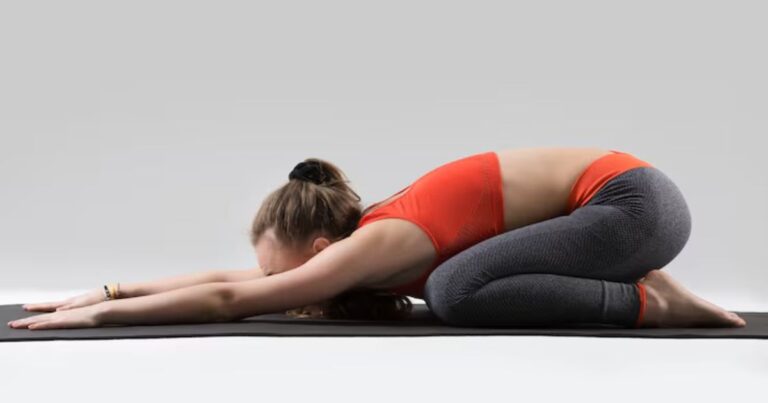
Child’s Pose (Balasana)
Child’s Pose (Balasana) releases tension from the lower back and hips and brings the nervous system down quickly. Simple, accessible, and more effective than it looks.
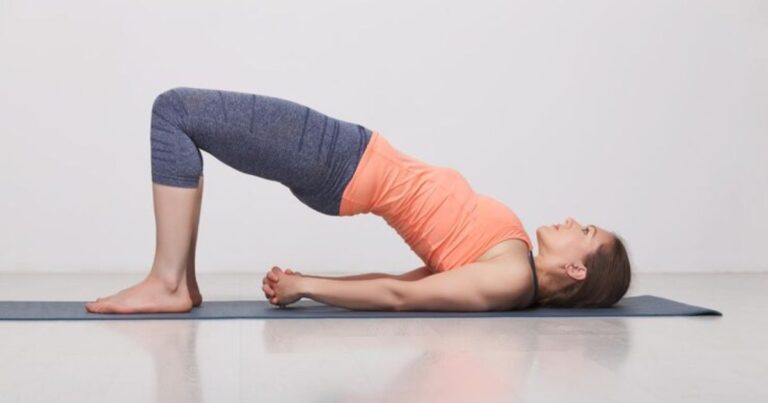
Bridge Pose (Setu Bandhasana)
Bridge Pose (Setu Bandhasana) gets blood moving into the pelvic region and puts gentle pressure on the thyroid area. Both matter for hormonal health.
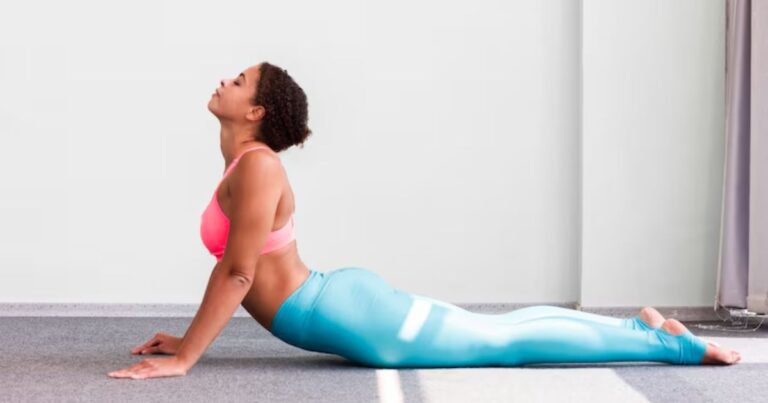
Cobra Pose (Bhujangasana)
Cobra Pose (Bhujangasana) opens the chest and wakes up the adrenal glands, while releasing the spinal and shoulder tension that builds up during stressful periods.
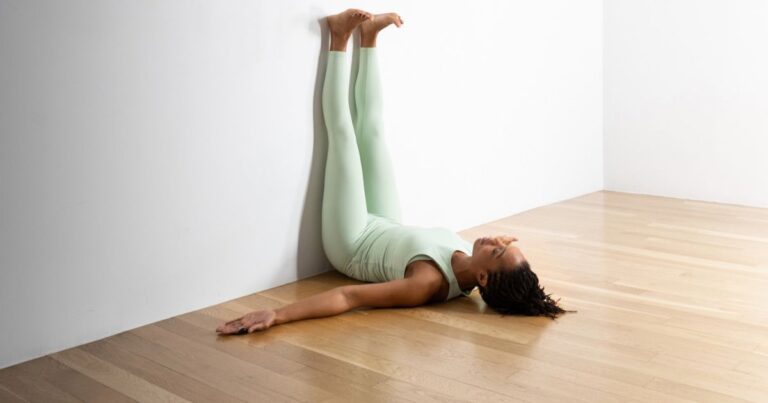
Legs-Up-The-Wall Pose (Viparita Karani)
Legs-Up-The-Wall Pose (Viparita Karani) is a passive inversion that improves circulation and soothes the nervous system without requiring any effort. It’s ideal for recovery days or winding down before sleep.
Supine Bound Angle Pose (Supta Baddha Konasana)
Supine Bound Angle Pose (Supta Baddha Konasana) opens the hips and relaxes the pelvic floor. This area holds a lot of tension in women dealing with cycle-related discomfort or stress.

Building a Consistent Practice for Hormonal Health
Short and regular beats long and occasional, every time. Fifteen to twenty minutes of gentle yoga with some breathwork, done most days, will outperform a ninety-minute session once a week when it comes to hormonal outcomes.
Women who stick with yoga for female hormone balance over several months commonly report sleep that feels more restorative, moods that don’t swing as widely, more regular cycles, steadier energy through the day, and a general sense of being less reactive to stress. For a broader look at how yoga creates these shifts, yoga’s impact on women’s health explores the wider picture in detail. These changes tend to reinforce each other, which is what makes consistency easier to maintain as time goes on.
Conclusion
Hormonal balance isn’t a fixed state. It’s something the body is always working to maintain. Chronic stress, lifestyle habits, and life transitions all put pressure on that process. Yoga doesn’t override it; it supports it.
Through movement, breath, and consistent relaxation, yoga for female hormone balance helps the nervous system and endocrine system do what they’re already trying to do, just with less interference. For women who want to work with their body rather than against it, it’s a practice worth building into daily life.
Frequently Asked Questions
How often should women practice yoga for hormonal balance?
Three to five times a week works well for most people. That said, even a short daily practice of ten to fifteen minutes can make a real difference if longer sessions aren’t possible.
Can yoga help with PMS symptoms?
It can, noticeably so for many women. Mood swings, cramps, and fatigue all tend to ease with consistent practice, particularly when yoga is practised regularly in the week before menstruation rather than only when symptoms peak.
Is yoga helpful during menopause?
Yes. The hormonal shifts of menopause are significant, and yoga addresses several of the most common symptoms, including poor sleep, anxiety, fatigue, and emotional volatility, without adding physiological stress to an already taxed system.
What type of yoga is best for hormone balance?
Hatha, restorative, and yin yoga. These styles prioritise nervous system regulation over intensity, which is exactly what hormonal balance needs.
Can beginners practice yoga for hormonal health?
Completely. The poses most beneficial for hormonal health are also among the most accessible. Starting simple and building consistency is far more valuable than attempting advanced postures before the body is ready.